Lithium‑ion batteries are core power sources for electric vehicles, energy‑storage systems and consumer electronics, yet their manufacturing remains expensive for multiple technical, material and market‑related reasons.
High‑cost cathode raw materials Cathode materials such as lithium‑cobalt‑oxide and NCM (nickel‑cobalt‑manganese) rely on scarce metals including cobalt. Cobalt ore resources are unevenly distributed, hard to mine, and require high‑precision purification. Complex synthesis processes push up raw‑material costs significantly.
Complicated anode production Natural graphite is widely available, but high‑grade artificial graphite must go through high‑temperature graphitization. This procedure consumes massive power and strict parameter control, adding heavy production expenses.
High‑threshold electrolyte manufacturing Lithium salts like lithium hexafluorophosphate demand strict anhydrous and oxygen‑free working conditions. Even tiny impurities degrade battery performance, making production difficult and costly.
Technical‑barrier separator film Battery separators need precise porosity, air permeability and chemical stability. Advanced polymer stretching processes are controlled by a small number of manufacturers, limiting supply and lifting material prices.
High‑investment production infrastructure Lithium‑ion cell production depends on high‑precision equipment such as coaters and winding machines, with expensive purchase and maintenance costs. Production workshops must maintain dust‑free, constant‑temperature and constant‑humid environments, which require large capital investment for construction and daily operation.
Strict quality control & testing Multiple‑step inspection is required for raw materials, semi‑finished goods and finished batteries. Professional electrochemical testers and skilled technicians further increase operational costs.
Heavy R&D, talent and compliance costs Continuous R&D for higher energy density, longer cycle‑life and better safety takes huge funding. Professional R&D and manufacturing personnel command high labor costs. Meanwhile enterprises bear expenses for environmental facilities, global certifications, patent royalties and equipment upgrading.
Market volatility & supply‑chain risks Prices of lithium, cobalt and related chemical reagents swing sharply driven by geopolitics and market supply‑demand. Strict international trade policies, import‑export tariffs and supplier monopolies also create cost pressure.
Challenges for traditional end‑of‑life handling Historically, lithium‑battery recycling technology was immature, with low recovery rates and high processing costs. Waste batteries are chemically active, requiring special transport, storage and disposal. Improper disposal causes heavy‑metal pollution and resource waste, while valuable metals inside discarded batteries are left unused.
Our Solution: Waste Lithium‑Ion Battery Recycling Equipment & Precious Metal Extraction Equipment
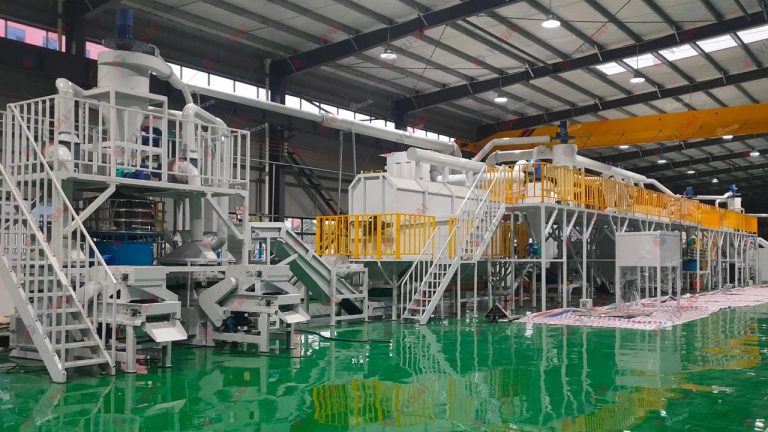
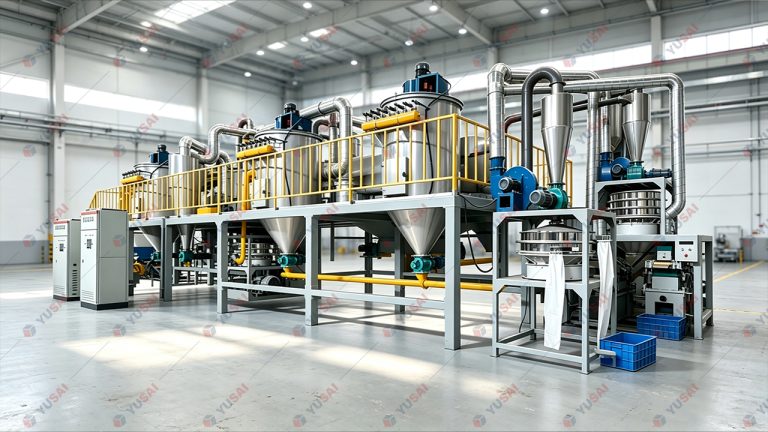
We are a professional manufacturer dedicated to waste lithium‑ion battery recycling equipment and waste‑battery precious‑metal recovery systems. Our machinery unlocks the value of end‑of‑life lithium‑ion batteries, easing raw‑material supply pressure for the whole battery industry and building circular‑economy benefits.
✅ Recycle valuable metals from spent lithium‑ion batteries Our recycling production lines carry out crushing, grinding and multi‑stage physical separation for scrapped power batteries, consumer‑device batteries and battery manufacturing scraps. Effectively recover copper, aluminum, graphite powder, cathode black mass containing lithium, cobalt, nickel and manganese. Recycled materials can re‑enter battery‑material supply chains, cutting reliance on virgin mining resources.
✅ Specialized precious metal extraction equipment for waste lithium‑ion batteries Targeting precious‑metal‑containing components and battery‑process waste materials, our precious‑metal recovery equipment achieves high‑efficiency precious metal extraction with high‑purity output. Help customers gain extra precious‑metal revenue from battery recycling streams.
✅ Practical engineering‑oriented design ‑ Negative‑pressure dust‑removal system, safe and environmentally friendly, reducing exhaust and dust pollution ‑ Modular layout, flexible capacity configuration to match small‑medium and large‑scale recycling projects ‑ Reduce manual operation; lower overall recycling‑plant operating cost ‑ Complete technical support: factory layout consulting, installation guidance, after‑sales technical service
✅ Dual value: Economic profit + environmental compliance Process end‑of‑life lithium‑ion batteries in compliance with global environmental regulations. Turn hazardous waste into reusable secondary resources. Reduce your purchase cost of battery raw materials and create stable profit from recycling business.