Introduction
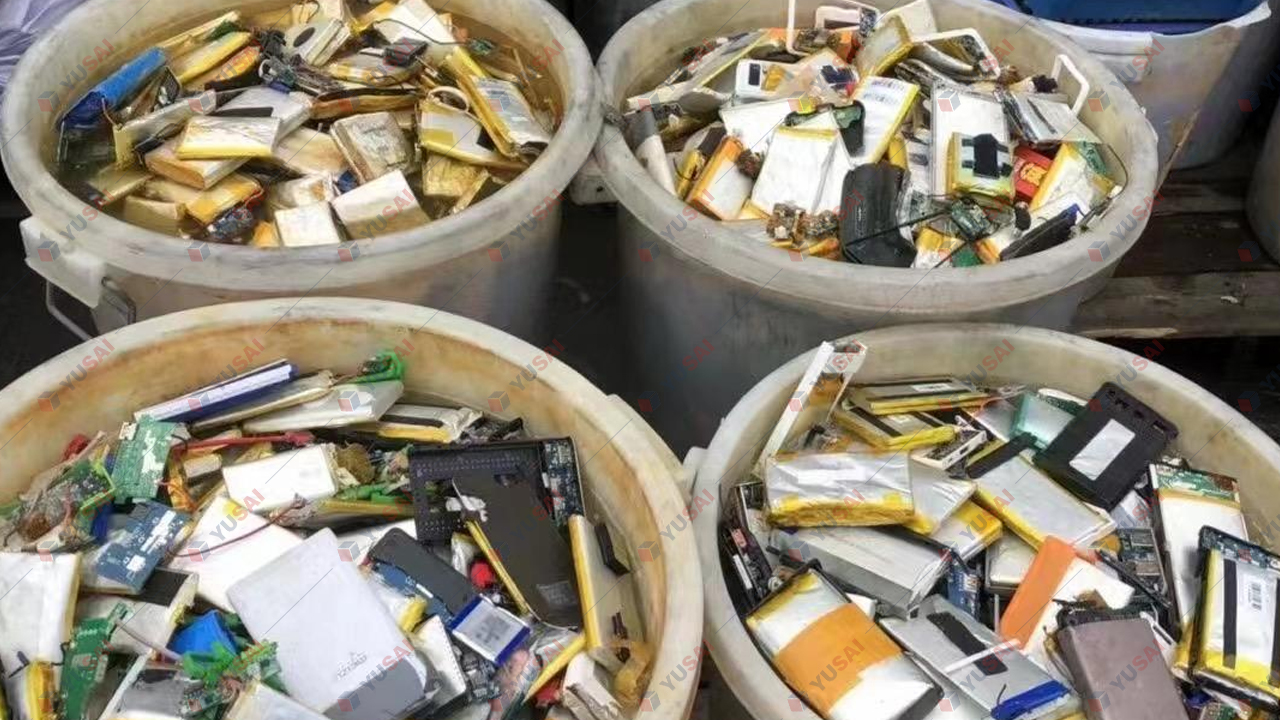
Driven by the global boom of new energy vehicles, lithium iron phosphate (LFP) batteries are widely used in electric buses and energy storage systems due to superior safety, stable performance and competitive cost. With the large-scale deployment of EVs, massive retired LFP power batteries will enter the end-of-life stage, bringing huge opportunities and challenges for battery resource recovery.
Spent LFP batteries contain valuable lithium, iron, phosphorus, copper and aluminum. Proper recycling can turn waste batteries into reusable raw materials, cut primary mineral exploitation and lower carbon emissions. Multiple recycling routes have been developed worldwide, including dry recycling, hydrometallurgical recycling, bioleaching, high-temperature solid-state regeneration and electrochemical recovery. Among them, hydrometallurgy is widely adopted for high-purity lithium carbonate production, while dry physical recycling gains popularity for low chemical consumption and simple workflow.
Main Recycling Technologies
Dry Recycling Technology
Dry recycling starts with mechanical sorting to separate battery casing, electrode sheets and separators. Electrodes go through pyrolysis to burn off organic binders, separating LFP powder from aluminum foils. Volatile organic compounds from electrolyte are captured by condensation.
Advantages: Few chemical reactions, compact process flow, low wastewater generation. Limitations: High energy consumption, less targeted for LFP material upgrading, high investment for full plant construction.
Hydrometallurgical Recycling Technology
Hydrometallurgy is currently the most mature and widely commercialized route. After mechanical pre-treatment, black mass is leached with chemical solutions. Through purification, precipitation and separation, high-purity lithium carbonate, copper and aluminum products can be obtained. This method delivers excellent metal recovery rate and high-value battery-grade materials.
Other Emerging Technologies
Bioleaching, high-temperature solid-phase repair and mechanical activation are under continuous R&D. Bioleaching reduces chemical dosage, yet remains limited by low processing capacity for large-scale commercial plants.
Key Safety & Operation Considerations
Retired lithium batteries may still hold residual electricity. Uncontrolled stacking and mixing with conductive materials can cause swelling, short circuit, leakage, fire or explosion. Our recycling line integrates controlled pre-discharge system, inert gas protection, sealed shredding and tail gas treatment to eliminate safety risks during feeding and crushing.
Different lithium battery chemistries (NCM, LCO, LMO, LFP) should be sorted separately before processing. Proper classification protects equipment, improves material purity and reduces secondary pollution.
Our Solution: Complete LFP Battery Recycling Equipment
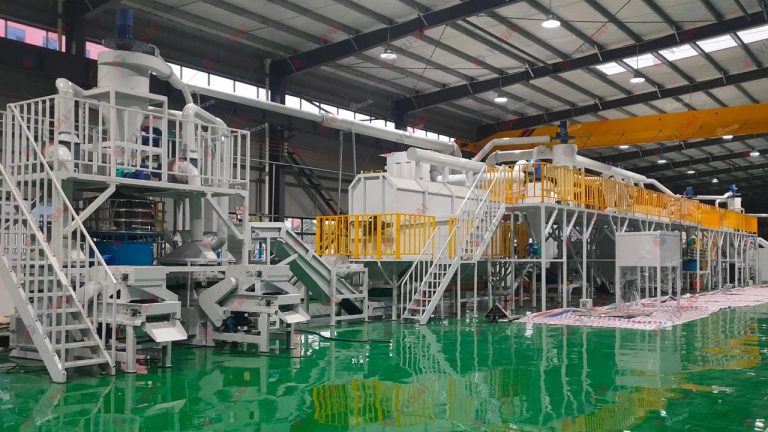
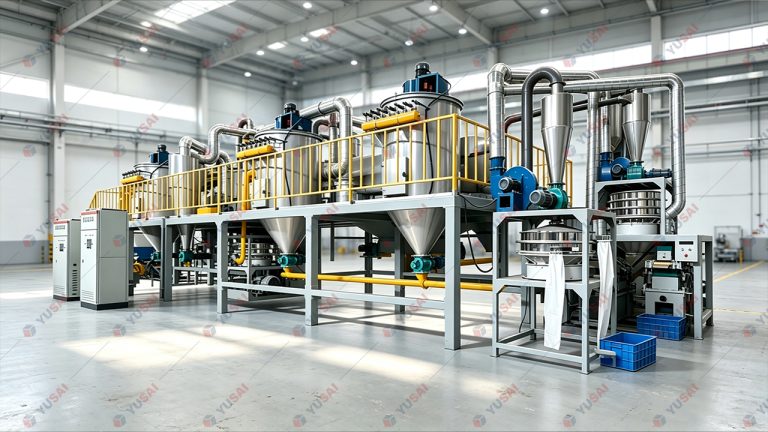
As a professional manufacturer of lithium battery recycling machinery, we supply turnkey recycling lines for spent LFP batteries and mixed lithium-ion batteries. Our integrated system covers battery pre-discharging, shredding, pyrolysis, multi-stage screening, gravity separation, air classification and tail gas purification.
✅ Modular design for flexible capacity configuration
✅ Safe inert atmosphere crushing system to prevent fire hazards
✅ High separation efficiency for copper, aluminum and LFP black mass
✅ Compatible with prismatic, pouch and cylindrical retired power batteries
✅ Supporting both dry pre-treatment and downstream hydrometallurgy interface
✅ CE compliant, stable operation, low maintenance cost
Our equipment helps recycling enterprises build standardized, large-scale battery recycling plants, realize closed-loop resource circulation and meet local environmental regulations.
Conclusion
Global demand for lithium-ion batteries keeps rising with the fast development of electronics and renewable energy storage. End-of-life battery treatment will become a mandatory industrial sector under stricter environmental policies.
The future of battery recycling lies in safer equipment, higher recovery efficiency and lower carbon footprint. We provide reliable recycling machinery and technical support for worldwide clients, helping you build profitable and eco-friendly LFP battery recycling projects.
Keywords: lithium iron phosphate battery, LFP battery recycling, lithium battery recycling machine, dry recycling, hydrometallurgy, lithium carbonate recovery