Preface
The booming lithium-ion battery market driven by electric vehicles and energy storage has also brought massive volumes of end-of-life batteries, pushing lithium battery recycling into a critical sector of the global circular economy. While the industry presents huge opportunities, it also faces obvious operational challenges.
First, lithium battery recycling requires heavy capital investment in manpower, production lines and processing hardware. Developing universal recycling equipment compatible with multiple battery chemistries and formats, plus recruiting skilled operators, creates high entry costs for recycling plants.
Meanwhile, recycling technologies keep evolving rapidly. Traditional physical separation and chemical extraction methods are widely deployed, alongside emerging processes including pyrometallurgy, hydrometallurgy and ultrasonic separation. These technologies enable effective recovery of lithium, nickel, cobalt and other high-value metals, lifting resource recovery rates while lowering environmental footprints.
Safety and environmental protection remain core priorities for spent lithium battery treatment. The whole recycling workflow must adopt strict pollution prevention measures to avoid soil and water contamination. Standardized safety management systems are essential to eliminate fire, explosion and chemical hazards during dismantling and processing.
Technological innovation has reshaped the industry. Conventional recycling routes suffered from low throughput and high operational costs. Modern hydrometallurgy and high-temperature reduction technologies greatly boost metal recovery efficiency, cut energy consumption and reduce pollution. Continuous upgrades in automation and sorting equipment further improve processing capacity and material purity, creating better economic and sustainable returns for recyclers.
As market demand rises, advanced recycling machinery and integrated production lines are in growing global demand. Combined physical-chemical separation systems can separate hazardous components and extract high-purity metal materials, maximizing resource utilization. Automated sorting and closed-loop chemical recycling solutions reduce manual labor, raise recovery yields and minimize environmental impact, laying a solid foundation for long-term industry sustainability.
Disclaimer: This article is compiled from publicly available industry data. We do not warrant the accuracy, completeness or timeliness of the information herein. The content shall not be construed as investment advice, and is for reference and technical communication only.
Industry Overview
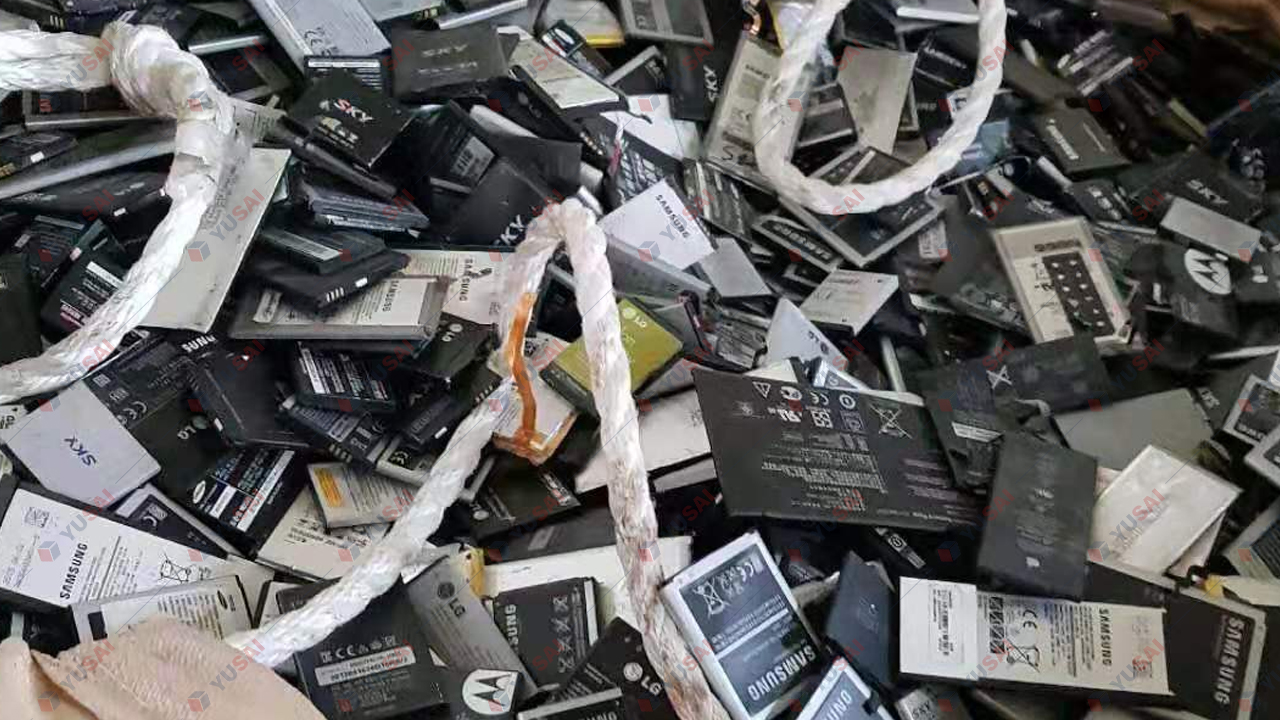
Lithium-ion battery recycling refers to the industrial process of recovering valuable metals (lithium, nickel, cobalt, copper, aluminum, etc.) from waste lithium batteries for secondary material production. Driven by fast growth in EVs and portable electronics, global lithium battery consumption keeps climbing. Unmanaged spent batteries cause severe environmental risks and precious mineral waste, making battery recycling an essential industry worldwide.
1. Recycling Collection Network
A multi-layer battery collection system is taking shape globally, including government-led collection networks and battery producers / recycler self-built channels. Authorities deploy collection bins and dedicated recycling stations for end users, while recycling enterprises cooperate with battery manufacturers, auto brands and distributors to secure stable feedstock supply. Robust collection channels are the foundation for continuous raw material supply for recycling factories.
2. Recycling Technology Development
Mainstream recycling technologies include physical sorting, chemical dissolution and metallurgical treatment. Physical sorting separates battery components by mechanical crushing and screening. Chemical dissolution converts harmful substances into inert materials and extracts target metals. Pyrometallurgy recovers metals via high-temperature smelting. Ongoing technical optimization continuously lifts recovery efficiency and product quality.
3. Policy Support
Global environmental regulations and circular economy policies strongly support battery recycling. Governments release industry standards, tax incentives and investment subsidies for recycling infrastructure, standardizing operation rules and accelerating industry normalization.
The lithium battery recycling sector is in a rapid growth phase. However, bottlenecks still exist: incomplete collection networks, room for technical improvement, unstable supply of spent battery feedstock, and inconsistent operational standards. Continuous R&D and investment are required to achieve sustainable development.
Lithium Battery Recycling Industry in China
1. Policy & Market Demand Drive Growth
China’s circular economy strategy has prioritized lithium battery recycling. Relevant laws and regulations provide legal frameworks for recyclers, with government incentives covering R&D funding, tax preferences and project approval.
Market demand is another major growth engine. EV, energy storage and consumer electronics sectors consume enormous lithium batteries. Recycling helps resolve waste battery pollution and recovers strategic battery metals, matching global sustainability requirements.
2. Technology & Equipment Upgrade Improve Production Capacity
Technology innovation and equipment renewal are key growth drivers. Integrated physical and chemical separation processes deliver high-purity recovered metals and higher resource utilization.
New-generation recycling equipment overcomes the low-efficiency and high-energy drawbacks of older machinery. Automated production lines reduce manual operation, improve site safety and raise overall plant productivity.
3. Enterprise Landscape & Existing Challenges
The domestic recycling market expands fast yet faces several pain points.
- Fragmented competition: Many small and start-up recyclers coexist with a handful of large-scale players; no single enterprise dominates the whole market.
- Technical & standard gaps: While local recycling technology advances, there is still space to catch up with top international benchmarks. Unified industry standards for recovered materials and safety protocols are still being refined.
- Capital & feedstock constraints: R&D and equipment investment demand large capital. Limited collection channels restrict stable supply of waste batteries in many regions.
China’s lithium battery recycling industry has achieved remarkable progress supported by policies, market demand and technical upgrades. Further efforts on R&D, standardization and feedstock channel expansion are needed to tackle fragmented competition and resource bottlenecks.
Global Lithium Battery Recycling Industry
1. Expanding Global Market Size
The global EV boom directly fuels lithium battery recycling. Lithium batteries are core components of electric vehicles, so end-of-life battery recycling becomes both an environmental obligation and an economic opportunity.
2. Strengthened Global Policy Frameworks
Countries worldwide launch battery regulations, financial subsidies and tax incentives to boost recycling. The EU released the Battery Alliance Action Plan to define recycling targets and unified standards. China also rolled out multiple policies to regulate and promote battery circular economy.
3. Continuous Technical Progress
Recycling technologies keep advancing. Widely adopted physical and chemical separation are complemented by pyrometallurgy, hydrometallurgy and ultrasonic recycling, improving recovery of lithium, nickel and cobalt with greener workflows.
4. Intensified Global Competition
Market expansion triggers fiercer competition across Europe, America and Asia. Dedicated battery recyclers and large e-waste treatment companies enter this field. Competition focuses on recovery rate, technical capability, cost control and feedstock security. Major auto OEMs are building their in-house recycling systems to secure battery material supply.
5. Rising Global Environmental Awareness
Growing public awareness of carbon reduction and waste management promotes battery recycling. More enterprises and consumers return spent batteries for treatment, cutting reliance on virgin mineral mining and lowering contamination risks. International environmental organizations also advocate for standardized battery recycling practices.
Globally, the lithium battery recycling industry grows rapidly under combined drivers of policy, technology and market demand. With wider EV penetration and stricter environmental requirements, the sector will unlock larger market potential in the coming years.
Market Forecast & Industry Outlook
1. Industry Background
Lithium-ion batteries become mainstream energy storage solutions for EVs and renewable energy systems due to high energy density. Yet limited battery lifespans create huge volumes of end-of-life batteries, making safe recycling a pressing global issue.
2. Market Size Forecast
The global lithium battery recycling market is projected to exceed USD 10 billion by 2025, driven by three core factors:
- Global policy mandates encouraging battery circular economy and reducing reliance on critical minerals.
- Surging stock of retired EV and energy storage batteries, creating massive feedstock for recycling plants.
- Continuous technical improvement lifts recovery rates and cuts processing costs, making recycling projects commercially viable.
3. Market Competition Trends
Despite promising prospects, the industry still faces hurdles. Different battery chemistries and package types bring inconsistent recycling performance. Pollution control and fire safety must be strictly managed. High investment for specialized recycling machinery and production lines remains a barrier for new investors.
Current competition takes place between large integrated resource groups and professional recycling operators. Big groups own strong capital and supply-chain integration capability, while specialized recyclers master core processing technology but are limited by plant scale.
Why Choose Our Waste Lithium Battery Recycling Equipment
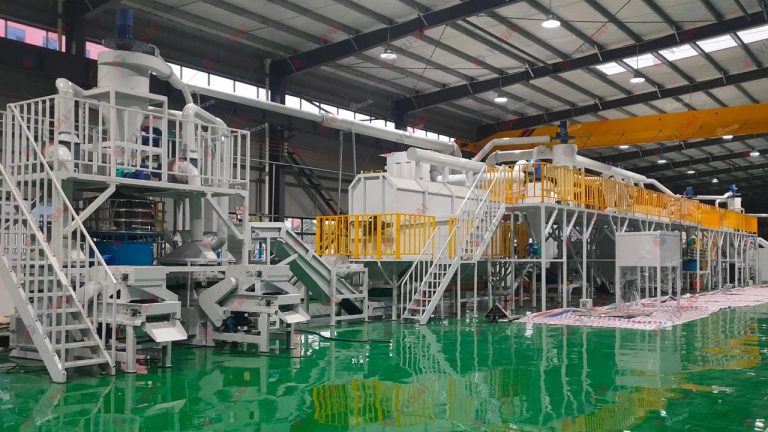
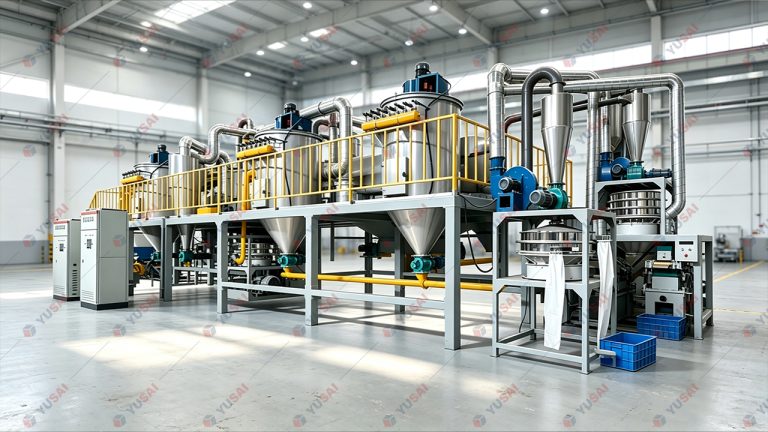
We are a professional manufacturer specializing in complete lithium battery recycling production lines and core recycling equipment. Our machinery covers battery shredding, crushing, magnetic separation, air separation, electrostatic sorting and black mass recovery systems.
✅ Safe mechanical processing design, inert protection option to prevent thermal runaway
✅ Modular line design, customized capacity from small pilot plants to large industrial-scale projects
✅ High recovery rate for copper, aluminum, steel shell and black mass
✅ Low energy consumption, closed dust removal system to meet international emission standards
✅ CE-certified equipment, complete turnkey solution including layout design, manufacturing, on-site installation, commissioning and after-sales training
Our equipment helps recycling plant owners reduce operational costs, improve material purity and comply with local environmental & safety regulations. Whether you plan a new recycling factory or upgrade existing lines, we provide tailored mechanical recycling solutions for cylindrical, pouch and prismatic waste lithium batteries.
Contact us today to discuss your lithium battery recycling project.