The booming electric vehicle, energy storage and consumer electronics industries worldwide have generated huge volumes of end-of-life lithium-ion batteries. Driven by extended producer responsibility (EPR) policies, carbon neutrality goals and strong demand for critical metals, overseas markets have formed diversified collection channels for spent lithium-ion batteries. Below are the main recycling channels.
1. EV OEM Closed-loop Take-back Channel
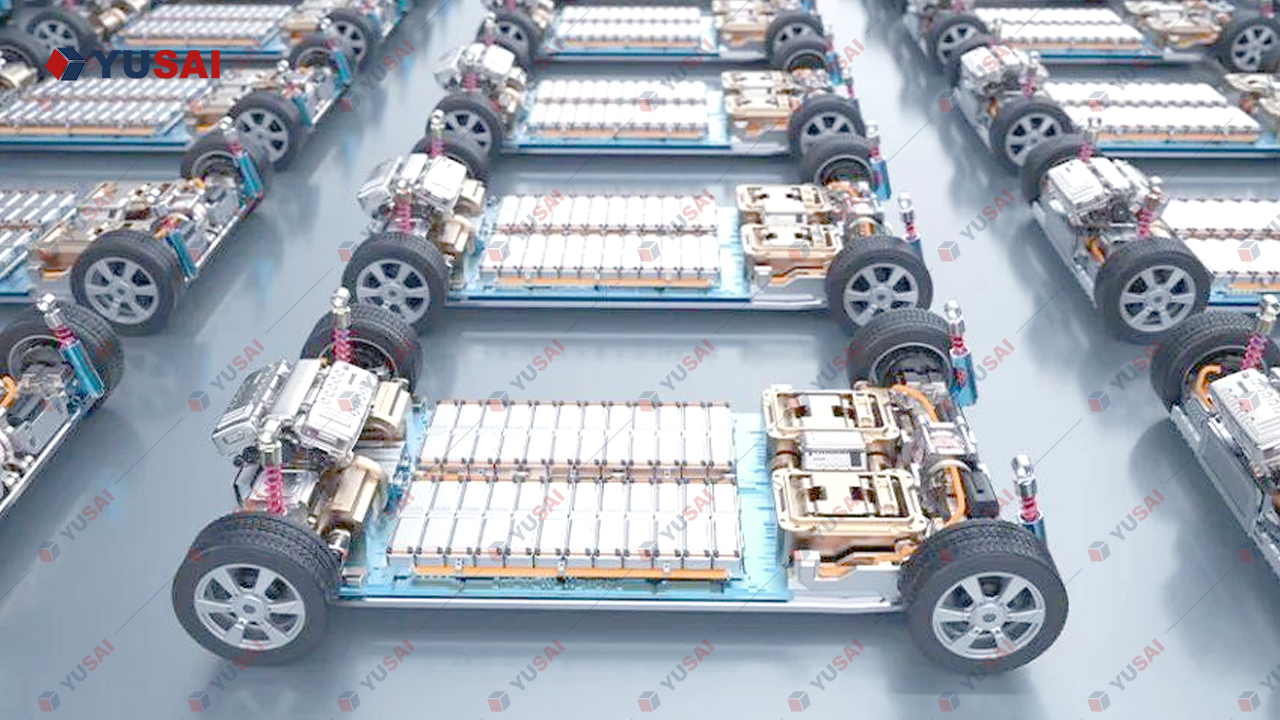
Under EU Battery Regulation and relevant state laws in North America, electric vehicle manufacturers bear the responsibility for end-of-life battery management. Leading EV brands cooperate with recyclers to build official take-back networks. When electric vehicles are scrapped or battery packs are replaced due to failure, dealers and service centers directly collect retired battery modules.
This channel supplies high-quality large-format power batteries. Automakers partner with qualified recycling enterprises to recover lithium, nickel, cobalt and copper. The recovered metals can be reused to produce new battery cells, forming a closed material loop. Batteries from this channel have stable quality and complete pack data, with less impurity contamination.
2. Retail & Public Drop-off Collection Network
For small consumer lithium-ion batteries from laptops, power banks and power tools, public drop-off points are widely used in the US, Canada and Nordic countries. Non-profit organizations cooperate with retail chains, hardware stores and municipal waste stations to set up dedicated battery collection bins.
Consumers can drop off spent rechargeable batteries free of charge. Authorized collectors regularly consolidate the batteries and deliver them to licensed recycling plants. This channel gathers scattered small-sized cells. The main challenge is mixed battery types and safety hazards caused by damaged batteries.
3. Municipal Hazardous Waste Management System
Lithium-ion batteries are classified as hazardous waste in Europe and North America due to fire risks. Household recycling depots and regular hazardous waste collection events accept spent lithium-ion batteries separately from general waste.
Municipal contractors sort, package and transport collected batteries to certified recyclers. The EU enforces mandatory battery collection targets. This channel captures scattered consumer batteries, yet sorting and pre-processing costs are relatively high because batteries arrive in mixed conditions.
4. Auto Dismantlers, EV Repair Shops & Independent Battery Service Providers
Independent vehicle dismantlers, EV maintenance workshops and battery service companies are important raw material suppliers. Damaged EV battery packs, defective energy storage modules and batteries removed during maintenance flow into this channel. Many operators conduct safe discharge and pack disassembly, then sell sorted modules or black mass to professional recycling factories.
This channel features flexible supply volume, but battery quality varies greatly. Unregulated handling may trigger fire and environmental risks, so regulators keep tightening standards for battery storage and transportation.
5. Industrial & Energy Storage Project Recycling Channel
Energy storage developers, solar-storage operators and battery manufacturers produce large quantities of factory scraps, test cells and retired battery energy storage system (BESS) batteries. This feedstock is high-grade with complete documentation. Asset owners sign long-term recycling contracts with certified recyclers in advance.
Large-scale energy storage projects in the US, Germany and Australia arrange scheduled battery dismantling and recycling when systems reach end-of-life. Factory scraps from battery gigafactories are another stable raw material source with low impurities, easier to process than post-consumer waste batteries.
6. Professional Battery Collectors & Raw Material Traders
Specialized battery collectors and global metal traders act as cross-border intermediaries. They consolidate, pack and arrange hazardous goods transportation, aggregate batteries from multiple small suppliers and ship bulk materials to large recycling plants.
These intermediaries improve logistics efficiency for decentralized battery sources. However, cross-border shipment of spent lithium-ion batteries requires UN hazardous goods certification, leading to high compliance costs.
Conclusion
Overseas lithium battery recycling relies on a multi-channel system. OEM closed-loop networks mainly process EV packs; retail and municipal drop-off points collect consumer batteries; auto dismantlers, repair shops and energy storage asset owners provide extra feedstock, while professional collectors and traders optimize logistics. With stricter EPR rules, battery passport requirements and US IRA incentives, safe pre-processing, material sorting and traceability become essential for all recyclers.
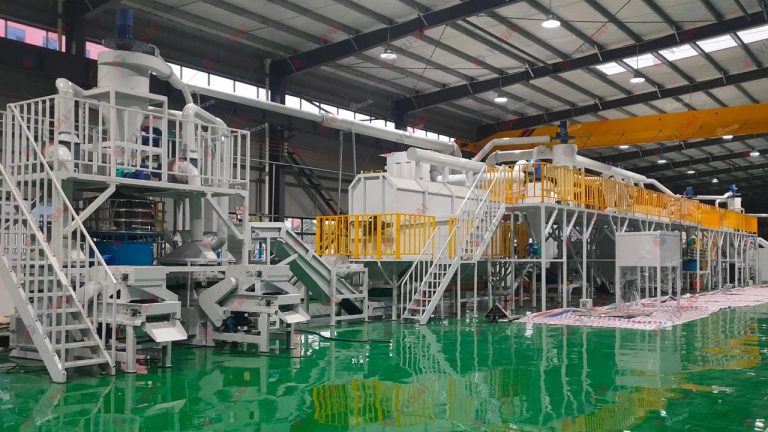
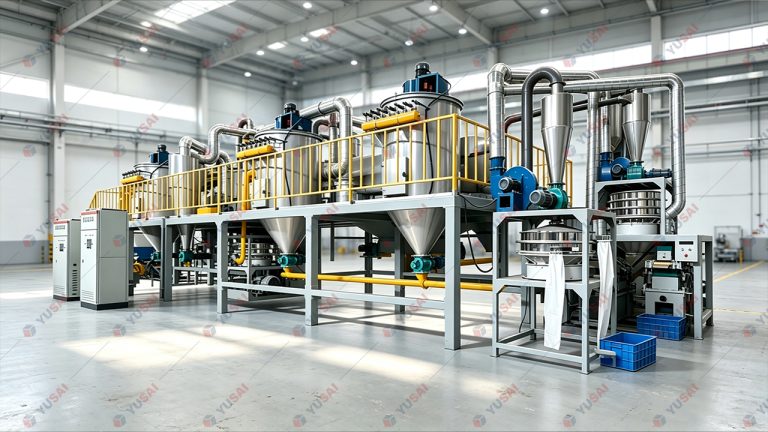
We are a professional manufacturer of spent lithium-ion battery recycling equipment. We provide complete production lines including battery discharging, dismantling, crushing, screening and black mass separation systems. Our equipment complies with EU and North American environmental and safety standards, helping recycling operators boost metal recovery rates and control operational risks.