As the global electric vehicle and renewable energy sectors expand rapidly, the demand for lithium-ion batteries continues to surge. Meanwhile, the safe disposal and sustainable reuse of retired lithium batteries have become an urgent industry priority. Echelon utilization (second-life repurposing) stands out as a core solution for spent lithium batteries. It minimizes environmental pollution and unlocks the full circular value of battery resources. This article outlines the core standards and specifications governing lithium battery echelon utilization.
Why Lithium Battery Recycling & Echelon Utilization Matters
Environmental Protection
Lithium-ion batteries contain heavy metals and valuable materials including lithium, cobalt and nickel. Improper disposal may lead to soil and water contamination. Standardized recycling and repurposing effectively cut such ecological risks.
Resource Conservation
Recovered valuable metals from spent batteries can be reintroduced into production chains. This reduces reliance on virgin mineral resources and lowers manufacturing costs for new battery products.
Core Standards for Lithium Battery Echelon Utilization
1. Standardized Recycling Channels
A stable, traceable recycling network is the foundation. It covers certified recycling facilities, collection points and closed-loop supply chains to ensure retired lithium batteries are collected safely and centrally, avoiding scattered, unregulated disposal.
2. Processing & Handling Standards
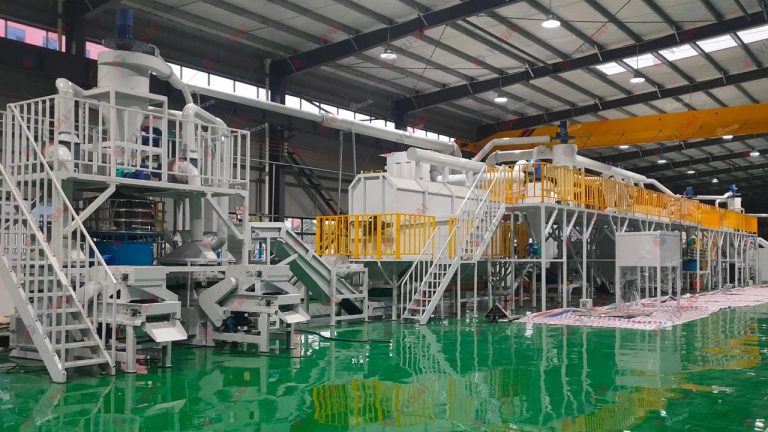
Different battery chemistries and pack types require matched technical workflows. Specifications cover safe discharging, disassembly, sorting and storage. All operations must follow safety, environmental and efficiency protocols to prevent thermal runaway and leakage during processing.
3. Material & Battery Repurposing Standards
Batteries qualified for second-life service go through comprehensive performance testing, conditioning, screening and regrouping. Strict criteria are enforced on capacity, internal resistance, consistency and safety, to guarantee reliable performance of reassembled echelon battery modules.
4. Environmental Compliance Standards
Emission control rules apply throughout the whole recycling process. Waste gas, wastewater and solid residues must be treated and discharged in compliance with local environmental regulations to maintain eco-friendly production.
5. Product Quality Standards
Finished second-life battery products are subject to uniform quality benchmarks covering electrical performance, safety stability and long-term reliability. A complete quality management system ensures consistent output of repurposed battery modules.
6. Supervision & Compliance Standards
Full-process supervision is required for the echelon utilization industry. It includes enterprise qualification certification, on-site process audits and penalties for non-compliant operations, pushing the sector toward standardized and regulated development.
7. Technical R&D Standards
Continuous technical innovation is encouraged for lithium battery recycling and echelon reuse. New processes and equipment must be validated and documented with clear operating specifications to support scalable, safe technology rollout.
8. Industrial Development Standards
A complete industrial standard framework guides healthy market growth. Industry access rules, operation norms and supportive policies help build an orderly, sustainable echelon battery economy.
Conclusion
Echelon utilization is a vital pillar of circular economy and low-carbon development for lithium batteries. A complete standard system covering recycling channels, processing workflows, repurposing rules, environmental control, quality inspection, supervision, technical specifications and industrial norms is essential.
With consistent implementation of these standards, the lithium battery recycling industry can be well regulated. It enables efficient resource circulation and supports long-term sustainable development. Joint efforts from governments, enterprises and the public are required to raise awareness of circular battery management and drive the mature growth of lithium battery echelon utilization worldwide.