Overview
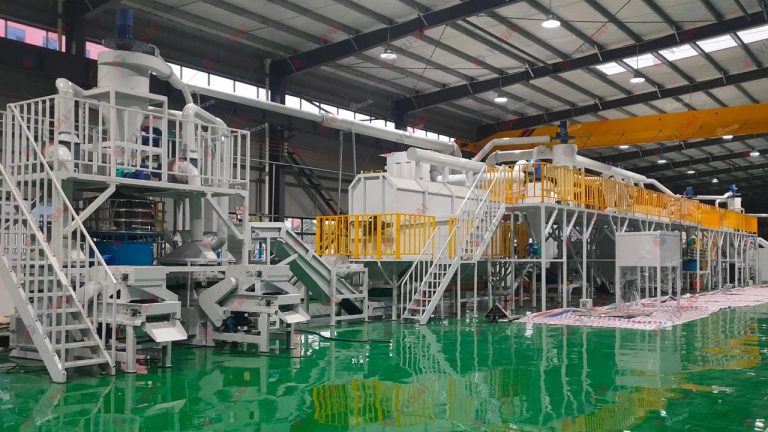
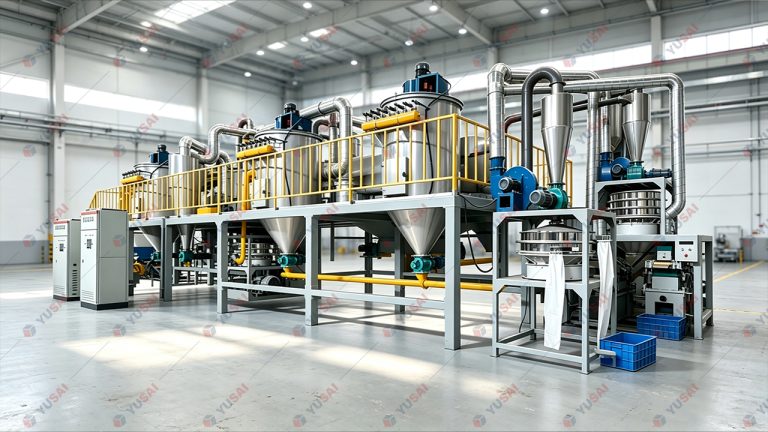
Driven by the booming new‑energy industry, massive volumes of end‑of‑life lithium‑ion batteries are generated from consumer electronics, electric vehicles and energy‑storage systems. Spent lithium‑ion batteries contain high‑value metals including lithium, cobalt, nickel, copper and aluminium, yet they also carry hazardous electrolytes and organic components that pose severe environmental risks if improperly disposed of.
Traditional recycling approaches such as mechanical crushing or direct smelting are often limited by high energy consumption, low material‑recovery yield and complex exhaust‑gas treatment. Our advanced continuous pyrolysis recycling system delivers an integrated, energy‑saving and eco‑friendly solution for spent lithium‑ion battery treatment, enabling high‑quality comprehensive resource recovery under strictly controlled oxygen‑deficient thermal conditions.
Working Principle
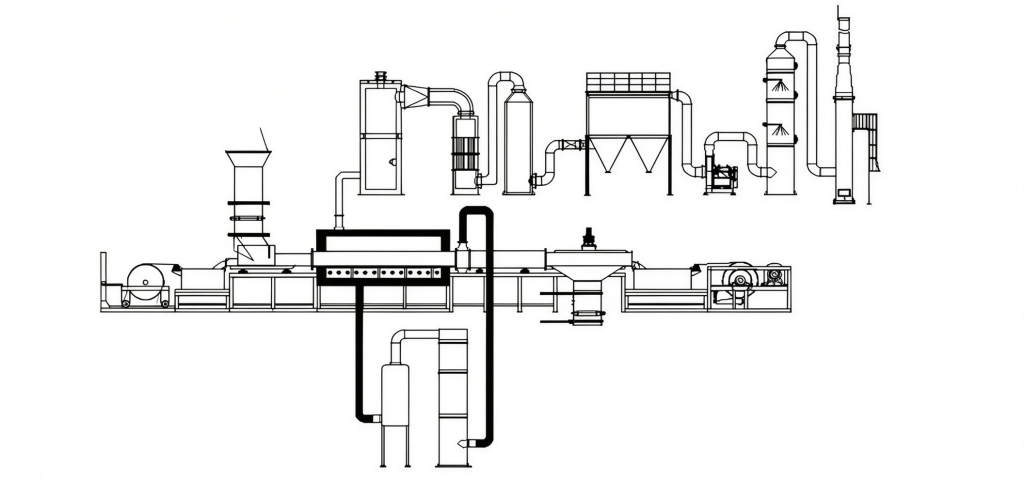
The system performs oxygen‑free thermal decomposition inside a sealed furnace tube. After pre‑discharge and cleaning, waste lithium‑ion batteries are fed continuously into the pyrolysis furnace. Under controlled high‑temperature heating, organic substances such as separators, binders and electrolytes are thermally decomposed into pyrolysis gas, while solid recyclables (metal‑rich residues) are retained for downstream material separation.
Hot pyrolysis gas flows out from the rear section of the furnace tube and enters an oil‑gas separation unit. Heavy pyrolysis oil is condensed and collected, while light combustible gas is delivered to a re‑burning unit and fed back into the combustion chamber as auxiliary fuel for furnace heating. This self‑fueling loop reduces or even eliminates external natural‑gas consumption, cutting overall energy input significantly.
Residual flue gas from the combustion chamber passes through a complete tail‑gas purification workflow including secondary combustion chamber, heat exchanger, quenching tower, dry‑reaction device, bag‑house dust collector and alkaline‑liquid scrubber. Harmful substances such as dioxins, acid gases and heavy‑metal fly ash are fully removed before clean gas is discharged via the stack, complying with international emission standards. Solid pyrolysis residues are cooled and discharged through the special rotary‑scraper discharging mechanism for subsequent metal separation and refining.
Core System Composition
- Feeding & Distributing Mechanism Equipped with double pneumatic gate valves and vacuum‑replacement setup, it prevents ambient air from entering the sealed furnace chamber. An adjustable distributor spreads waste batteries evenly onto the heat‑resistant steel belt conveyor to guarantee uniform pyrolysis performance batch‑to‑batch.
- Pyrolysis Furnace Main Body Consists of a furnace tube and external combustion chamber. Silicon‑carbide heating support plates optimise heat distribution and prevent furnace‑tube thermal deformation. Refractory lining minimises heat loss. The steel‑belt conveyor transports materials continuously through the furnace tube. Water‑bath liquid‑sealing seals are installed at both inlet and outlet ends to maintain stable oxygen‑free atmosphere inside the reactor. A water‑cooling jacket at the furnace tail rapidly cools down hot solid residues.
- Oil‑gas Separation & Re‑burning Unit Separates condensed pyrolysis oil from combustible pyrolysis gas. Recovered combustible gas is recycled as furnace fuel to realise energy self‑supply; collected pyrolysis oil can be further utilised as fuel inside the secondary combustion chamber.
- Discharging Mechanism Rotary scraper‑type discharging device scrapes cooled pyrolysis residues into discharge channels, with vacuum‑displacement design to avoid air ingress during material output.
- Full‑Set Tail‑gas Treatment System Secondary combustion at >1100 °C for over 2 seconds decomposes toxic organics; rapid quenching within 0.5 s suppresses dioxin re‑formation; activated‑carbon and lime injection adsorb heavy metals and harmful components; bag‑filter dust removal and multi‑stage alkaline scrubbing realise qualified exhaust emission.
Key Technical Advantages
✅ Continuous Automatic Operation Adopts heat‑resistant steel‑belt conveying for stable continuous feeding‑pyrolysis‑discharging workflow, avoiding low‑efficiency drawbacks of batch furnaces. Feeding speed and material thickness are adjustable to match different production capacities.
✅ Remarkable Energy‑Saving Performance Combustible pyrolysis gas generated from battery organics is recycled to heat the furnace, lowering external fuel demand. Waste‑heat recovery via heat exchangers further improves overall energy efficiency.
✅ Strict Oxygen‑free Pyrolysis Environment Double‑valve feeding, vacuum replacement and water‑bath liquid sealing effectively isolate oxygen. Greatly reduces fire and explosion risks while preventing metal oxidation, preserving high quality of recovered solid materials.
✅ Complete Environmental Protection Control Multi‑stage tail‑gas treatment eliminates dioxins, acidic vapours and heavy‑metal pollutants. All exhaust meets international environmental‑protection requirements for hazardous‑waste thermal treatment.
✅ Broad Material Compatibility Suitable for diverse spent lithium‑ion batteries: consumer‑grade batteries from phones and laptops, power batteries from electric vehicles, and production‑scrap battery materials. High‑value components including lithium, cobalt, nickel, copper and aluminium can be well preserved for follow‑up metallurgical processing.
✅ Safe & Low‑maintenance Design Anti‑deformation furnace‑tube structure, temperature real‑time monitoring and automatic control system ensure long‑term stable industrial‑scale operation.
Typical Process Flow
- Pre‑treatment: Waste lithium‑ion batteries go through conductive‑liquid immersion for full discharge, followed by washing and drying to eliminate fire hazards from residual electricity.
- Feeding: Batteries enter the sealed furnace tube via vacuum‑protected feeding station, evenly distributed on high‑temperature steel belt.
- Oxygen‑free pyrolysis: Organic components decompose under controlled heating, producing pyrolysis gas and metal‑rich solid residues.
- Oil‑gas separation & energy recycling: Pyrolysis gas is separated; combustible gas returns to combustion chamber for heating; pyrolysis oil is collected.
- Residue cooling & discharging: Pyrolysed solid materials are water‑jacket cooled and discharged for downstream sorting and metal recovery.
- Tail‑gas purification: Combustion flue gas goes through secondary combustion, heat exchange, quenching, dust removal and alkaline scrubbing before compliant emission.
Application Scenarios
‑ End‑of‑life consumer lithium‑ion battery recycling plants ‑ Electric‑vehicle power battery recycling facilities ‑ Battery‑manufacturer scrap‑material thermal‑processing workshops ‑ Hazardous‑waste treatment enterprises aiming for circular‑economy battery‑material recovery
If you are looking for reliable industrial‑grade pyrolysis solutions for waste lithium‑ion battery recycling, our system offers customisable capacity configuration, complete process design and full‑project technical support for your recycling plant.