Lithium batteries are widely applied in new energy energy storage, electric vehicles, consumer electronics and other fields. With the rapid development of the new energy industry, power batteries and consumer lithium batteries have entered a concentrated scrapping period. The market demand for the recycling and resource reuse of waste lithium batteries keeps rising. Recycling waste lithium batteries helps conserve key mineral resources such as lithium, cobalt, nickel and manganese, reduce hazardous waste discharge and cut raw material production costs. This article will discuss the whole recycling process of waste lithium batteries in detail, as well as the core value of complete recycling equipment in resource regeneration.
Collection and Sorting
Collection and sorting of waste lithium batteries is the first step of recycling operation. Recyclable batteries come from a wide range of sources, including new energy vehicle enterprises, energy storage power stations, digital product manufacturers and scattered waste batteries from society. Batteries shall be classified and sorted according to battery types (ternary lithium batteries, lithium iron phosphate batteries, etc.), capacity, integrity of appearance and impurity conditions. The sorting process is critical to ensure subsequent recycled materials meet finished product specifications. Mixed materials will greatly increase purification difficulty and reduce the purity of black powder, copper and aluminum products. Professional recycling production lines are equipped with feeding detection and sorting systems to quickly identify and categorize batteries, laying a solid foundation for the next process.
Safe Discharging, Disassembly, Crushing and Separation
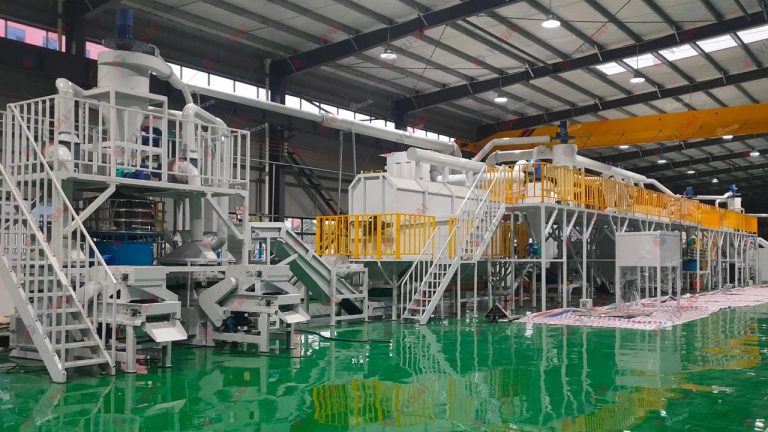
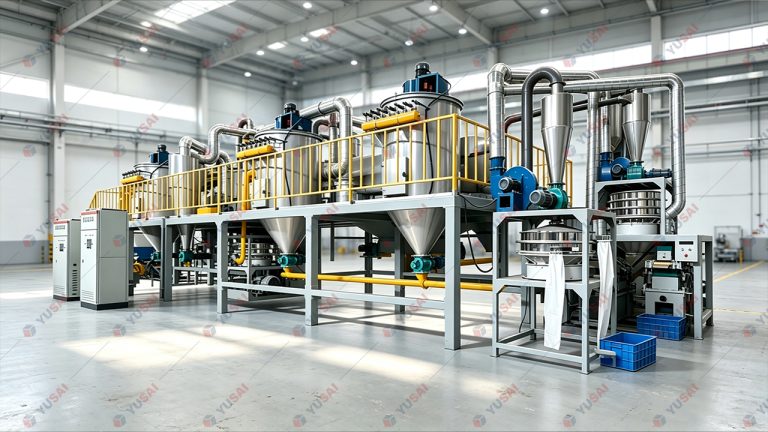
The next step is safe discharging, disassembly, crushing and separation. Waste lithium batteries carry residual electric energy and must undergo safe discharging treatment first to avoid thermal runaway, fire and explosion risks. Afterwards, battery shells and module brackets are removed, and battery cells are crushed into fine materials to remove non-metallic impurities such as separators, electrolyte and binders. The complete set of recycling equipment separates copper, aluminum metals from positive electrode black powder through multiple separation units including pyrolysis, air separation, magnetic separation and gravity separation. To guarantee the recovery rate and quality of valuable materials, parameters such as temperature, closed atmosphere, wind speed and pressure need precise control during crushing and pyrolysis, so as to efficiently separate metals and electrode materials.
Refining and Purification
After physical separation, the black powder materials need further purification through refining processes. Refining procedures include leaching, impurity removal, extraction, precipitation and crystallization, which separate valuable metals such as lithium, nickel, cobalt and manganese and remove harmful impurities like iron and aluminum. The refining process is the key to ensure regenerated metals and battery precursor materials meet industrial purity standards. High-quality purified products can be reused to manufacture battery cathode materials to realize regeneration of battery-grade raw materials.
Resource Reuse
Purified lithium, nickel, cobalt, aluminum, copper and other materials can be put back into battery manufacturing or other industrial fields. Regenerated raw materials must meet the same quality indicators as virgin mineral materials and undergo comprehensive physical and chemical testing before reuse. The resource regeneration of waste lithium batteries realizes closed-loop circulation of battery materials, reduces reliance on the exploitation of primary minerals, conserves natural resources, alleviates solid waste disposal pressure and cuts raw material procurement costs.
Environmental Benefits
Waste lithium battery recycling brings remarkable environmental benefits. Regeneration and recycling reduce the exploitation of lithium, cobalt, nickel and other mineral resources, lowering risks of vegetation damage and water & soil pollution caused by mining. Standardized recycling prevents electrolyte leakage and heavy metal contamination of soil and groundwater from randomly discarded waste batteries, and reduces land occupation by hazardous waste landfill. Meanwhile, the overall energy consumption of material regeneration is much lower than smelting from primary minerals, with less greenhouse gas emissions, helping achieve carbon peaking and carbon neutrality goals and mitigate climate change.
Economic Benefits
Recycling waste lithium batteries also delivers outstanding economic benefits. Recycled materials can greatly reduce the procurement cost of primary raw materials for battery manufacturers. With the continuous expansion of the new energy industry, the market demand for recycled battery materials keeps growing. The lithium battery recycling industry also creates a large number of jobs and drives growth of the circular economy industrial chain. As a professional manufacturer of waste lithium battery recycling equipment, we provide complete production lines for crushing, pyrolysis and sorting, helping customers stably produce high-purity copper, aluminum and positive black powder and improve project return on investment.
In short, waste lithium battery recycling is an important circular economy process for conserving strategic mineral resources, reducing hazardous waste pollution and cutting raw material costs. The complete recycling workflow includes collection & sorting, safe discharging, disassembly & crushing, sorting & separation, refining & purification and resource reuse of materials. Regenerated materials need to reach the same quality standard as virgin materials and complete inspection before re-production. The resource recycling of waste lithium batteries has both environmental and economic benefits, which is an indispensable part for the sustainable development of the new energy industry.