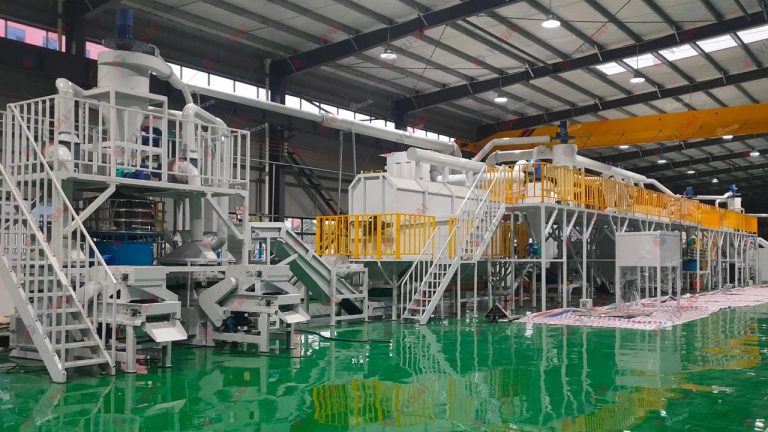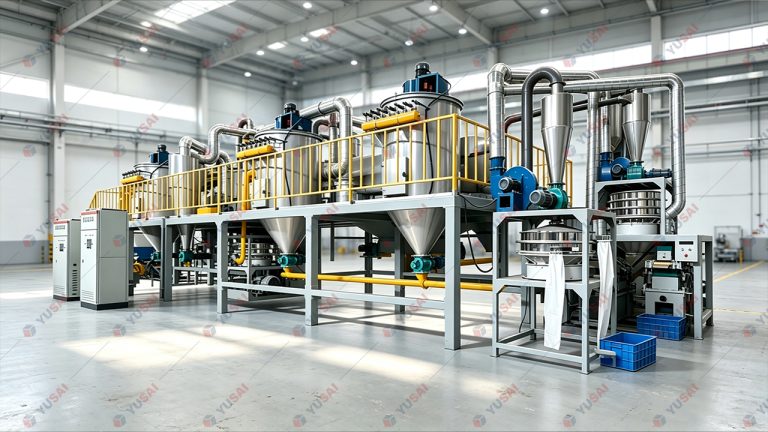
Lithium-ion battery recycling is a core supporting sector for the closed-loop development of the new energy industry. It encompasses the entire process—ranging from the collection of retired power, energy storage, and consumer-grade lithium batteries to cascade utilization, regenerative dismantling, and material reuse. This sector embodies three core values: resource recycling, environmental protection, and supply chain security. It represents a critical pathway for perfecting the lithium battery lifecycle system, overcoming raw material constraints, and implementing “dual-carbon” strategies. With the large-scale adoption of new energy vehicles and energy storage systems, early-generation lithium battery products are entering their retirement phase en masse. By 2026, the domestic industry is set to enter a new stage of scaled, standardized, and systematic development, moving decisively away from the chaotic, fragmented growth models of its infancy. It is evolving into a high-quality development landscape characterized by concentrated resource availability, continuously improving recycling networks, technological upgrades, and comprehensive policy implementation, thereby serving as a core pillar for the sustainable development of the new energy industry chain.
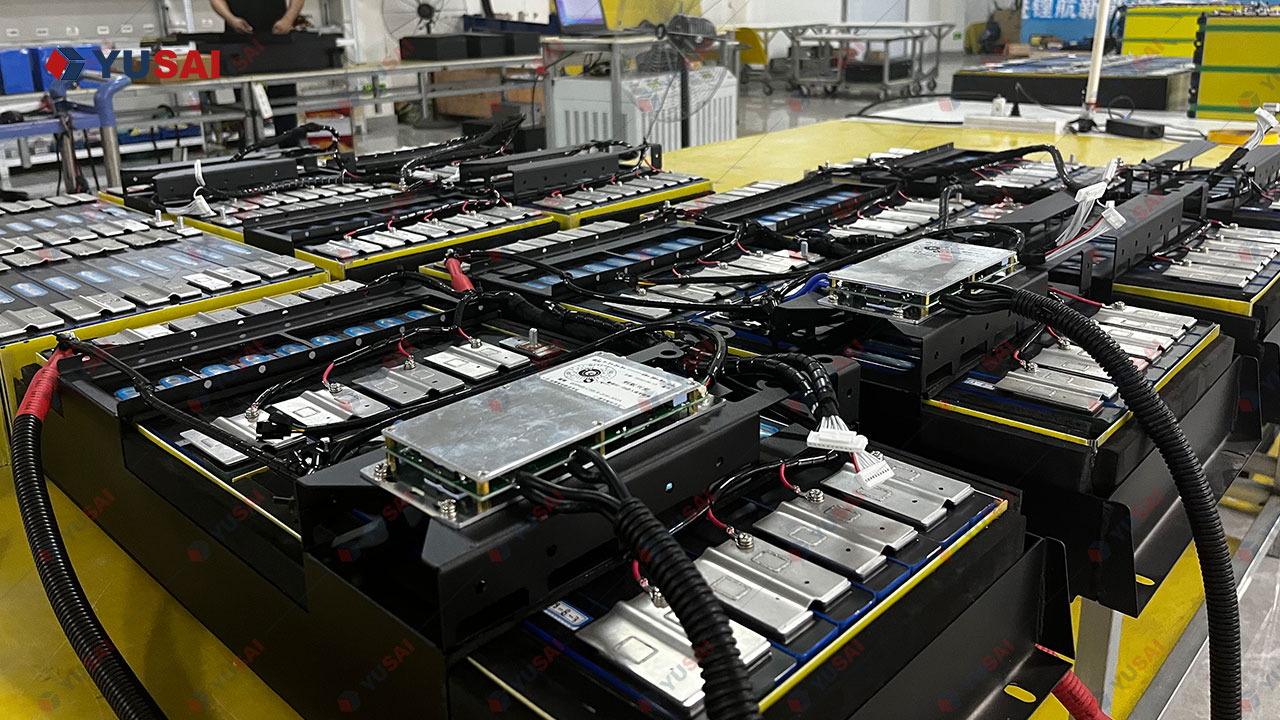
From a market perspective, the industry is characterized by expanding resource supplies, an optimized market structure, and a reconstructed supply-demand system. On the supply side, the mass retirement of power batteries from the early adoption phase of the new energy market—combined with the replacement of existing energy storage and small consumer lithium batteries—provides a plentiful and steady stream of recyclable resources. This effectively resolves earlier bottlenecks caused by insufficient resource volumes and fragmented supply. Furthermore, the composition of retired battery resources has become increasingly diverse; batteries varying in capacity, chemistry, and operational history are entering the recycling market simultaneously, driving a shift from simple dismantling and recovery toward comprehensive, tiered, and categorized utilization. On the demand side, the need for recycled cathode materials and metals continues to rise. New energy battery manufacturers are increasing their procurement of recycled materials, while market acceptance and application scenarios for these materials are expanding, providing stable downstream demand for the recycling industry.
Currently, the industry has established a mature structure featuring the parallel development of cascade utilization and regenerative dismantling, with a clear, tiered market landscape taking shape. Cascaded utilization focuses on retired lithium batteries that retain significant residual value and exhibit controllable performance degradation. Through processes such as screening, testing, reconfiguration, and packaging, these batteries are adapted for applications with relatively moderate performance requirements—such as low-speed mobility, energy storage, and industrial backup power—thereby maximizing their remaining utility. Characterized by low energy consumption and high added value, this approach has become a core track for the industry’s development toward a lighter, more efficient model. Regenerative dismantling targets spent batteries that have undergone total performance degradation and are unsuitable for reuse; it employs physical and chemical processes to extract core metal materials for recycling, creating a closed-loop resource flow back into battery manufacturing—a critical pathway for ensuring a stable supply of raw materials. These two complementary models operate in synergy and at different levels of the value chain, establishing a comprehensive resource recycling system that drives continuous improvements in operational efficiency.
By 2026, the industry’s regulatory framework and market order have undergone significant standardization and upgrading, effectively eliminating the chaotic practices that plagued the sector’s early stages. Systemic remediation has addressed issues such as unlicensed dismantling, illegal circulation, non-compliance with environmental standards, and resource waste. Comprehensive standards for market entry, environmental controls, and traceability management have been fully implemented, alongside the normalized operation of a full-lifecycle traceability platform for power batteries, enabling end-to-end tracking from production and vehicle installation to retirement and recovery. Licensed, compliant enterprises have gradually secured a dominant market position, while small, fragmented, and inefficient production capacities have been phased out, leading to steady increases in industry concentration. Simultaneously, the accelerated deployment of standardized collection points and regional circular industry bases has fostered a networked, localized domestic recycling ecosystem, effectively resolving industry pain points such as resource fragmentation, low recovery efficiency, and high costs associated with cross-regional logistics.
The competitive landscape of the industry chain continues to evolve and optimize, with an increasingly diverse range of participants. While the sector was initially dominated by small and medium-sized specialized recyclers, leading power battery manufacturers, vehicle OEMs, and new materials companies have now entered the fray. Leveraging upstream resource advantages, these players are establishing proprietary recycling channels and circular production capacities, driving a transition from single-stage processing to full-chain, closed-loop operations. Core domestic enterprises continue to refine their processes and optimize capacity, building competitive advantages based on scale, intelligence, and sustainability, while simultaneously strengthening their market influence through a combination of channel, technological, and production capabilities. The logic of industry competition has undergone a fundamental shift: moving away from the early focus on competing for resources and distribution channels toward comprehensive competition encompassing process technology, environmental standards, resource utilization rates, and full-chain service capabilities, thereby continuously improving the quality of industrial development.
Regarding the core drivers of the industry, three pillars support its long-term growth: policy-driven standardization, the essential demand for industrial resources, and the implementation of green strategies. On the policy front, the strengthening of top-level industry design—through measures such as qualification controls, environmental inspections, traceability regulation, and industrial support—has standardized development, channeled resources toward compliant, high-quality enterprises, and laid a solid institutional foundation for high-quality growth. On the industrial front, structural supply-demand constraints for lithium-ion battery raw materials persist; given the long development cycles and inelastic supply of virgin resources, recycled materials effectively bridge the raw material gap, reduce the supply chain’s reliance on external resources, and ensure supply chain security, highlighting the sector’s essential role. On the green front, the deep implementation of “dual-carbon” strategies underscores the value of lithium-ion battery recycling; it effectively lowers full-lifecycle carbon emissions and mitigates environmental pollution from spent batteries, aligning with the new energy industry’s core green, low-carbon trajectory and delivering immense social and industrial value.
Technological iteration and upgrading serve as the fundamental engine for improving quality and efficiency. Recycling processes are undergoing continuous optimization; traditional, crude dismantling methods—characterized by high pollution, high energy consumption, and low utilization—are being phased out in favor of widespread adoption of green hydrometallurgy, precision physical dismantling, and intelligent sorting, which significantly boost the recovery rates of core materials and product purity. Simultaneously, digital and intelligent technologies are deeply empowering the industry; the extensive application of intelligent inspection and sorting equipment, full-process traceability systems, and automated production lines effectively reduces labor costs, enhances production efficiency, and standardizes production workflows. Collaborative R&D among industry, academia, and research institutions continues to advance, leading to the implementation of customized recycling processes tailored to various battery chemistries and driving an overall leap in the industry’s technological capabilities.
From a medium- to long-term perspective, the industry will exhibit four clear development trends. First, the industry is moving toward a more deeply integrated closed-loop model; upstream and downstream enterprises are forging close partnerships, with vehicle manufacturers, battery producers, material suppliers, and recycling firms building an integrated circular ecosystem that ensures the targeted return of retired battery resources and the targeted reuse of materials, thereby establishing a stable and controllable industrial circular system. Secondly, technology is evolving towards greener and more refined processes; low-energy, low-pollution, and high-recovery-rate green technologies are becoming industry standards. Breakthroughs continue in precision material restoration and targeted purification technologies, with the performance of recycled materials increasingly matching that of virgin materials, while application scenarios are expanding into the high-end power battery sector. Thirdly, market concentration among leading players continues to rise; the industry’s shift towards standardized development is accelerating the elimination of inefficient capacity. Leading enterprises—characterized by full-chain integration, technological leadership, and compliant operations—are continuously consolidating market resources, making large-scale and intensive development increasingly prominent features of the industry.
Fourthly, business models are undergoing diversified upgrades. The industry is moving beyond a profit model based solely on processing to offer value-added services such as tiered energy storage, customized recycled material supply, full-lifecycle operations and maintenance, and battery traceability management, thereby building a diversified profit structure. Meanwhile, regional industrial cluster effects are becoming increasingly apparent, with specialized lithium-ion battery recycling industrial parks rapidly emerging. These parks enable centralized resource processing, unified environmental control, and collaborative technological innovation, further reducing operational costs and enhancing the overall quality and efficiency of industry development. Overall, the period leading up to 2026 represents a “golden age” of development for the lithium-ion battery recycling industry, characterized by large-scale expansion, standardization upgrades, and technological quality improvements. Driven by the convergence of essential industrial demand, policy support, technological empowerment, and “green dividends,” the industry demonstrates exceptional long-term growth certainty. Although the industry still faces transitional challenges—such as insufficient process adaptability, uneven regional resource distribution, and a shortage of high-end technical talent—the continued expansion of the new energy sector and the ongoing refinement of the circular economy system will allow the lithium-ion battery recycling industry to continuously unlock value. It is poised to become a core pillar industry that supports the long-term, healthy development of the domestic new energy sector, ensures resource security, and advances “dual-carbon” strategic goals.
Leveraging a professional data research system, we conduct comprehensive and systematic collection and organization of vast amounts of industry data, followed by in-depth analysis and precise interpretation. Our aim is to craft tailored data solutions for diverse client types while providing robust support for strategic decision-making. Through scientific analytical models and mature industry insights, we assist partners in effectively managing investment risks, optimizing operational cost structures, and uncovering potential business opportunities, thereby helping enterprises continuously enhance their market competitiveness.