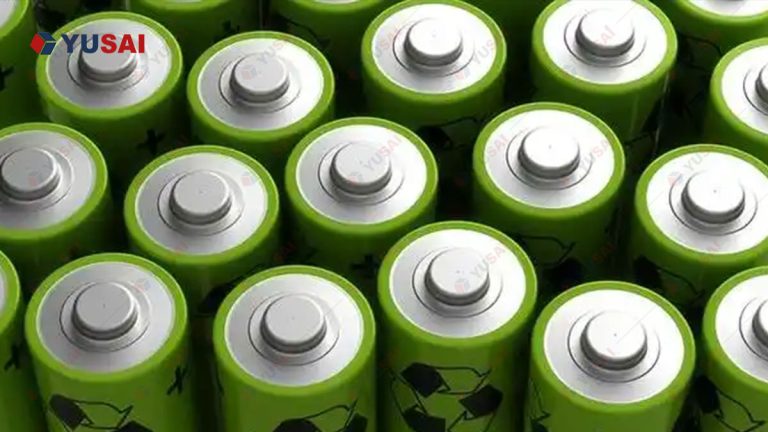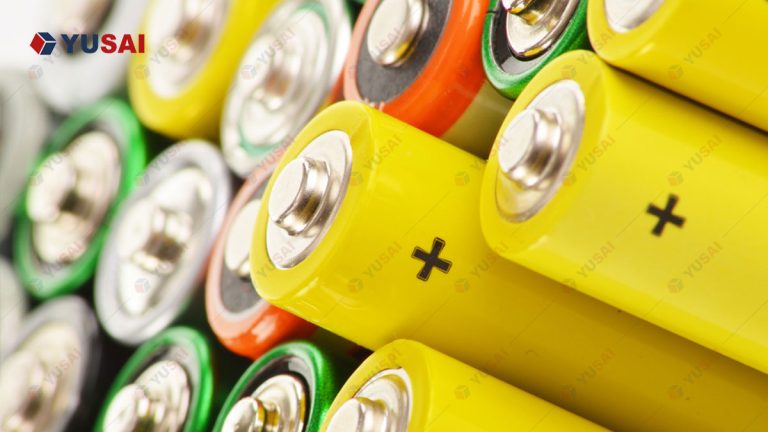
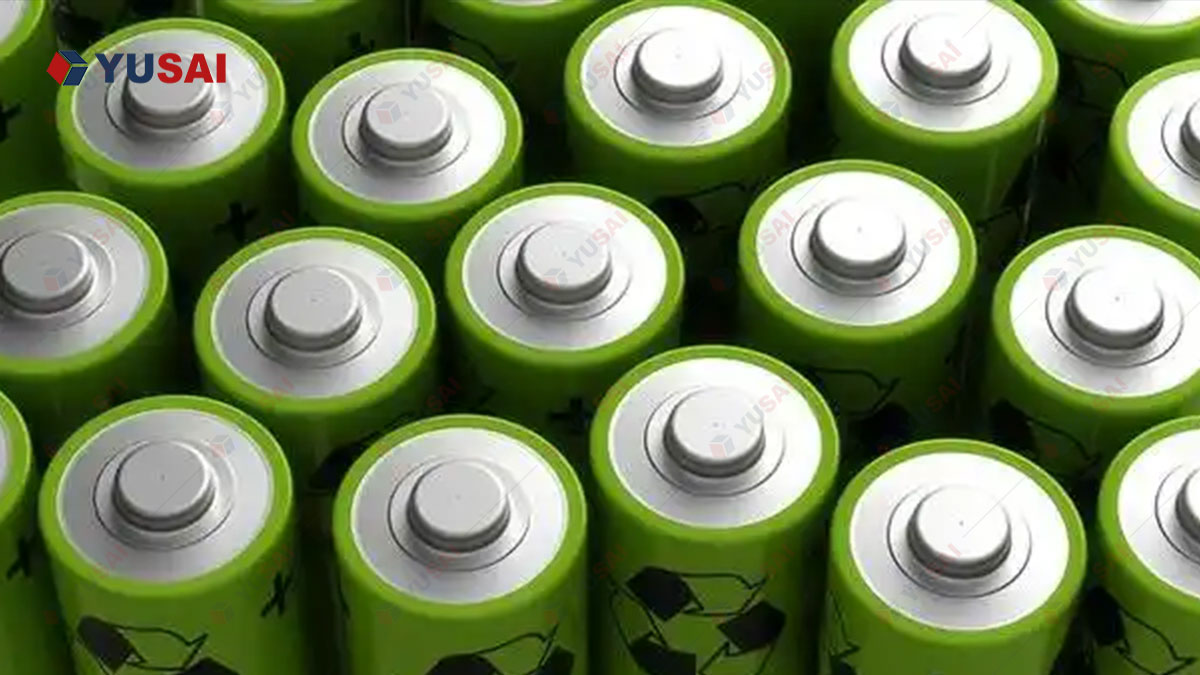
Hydrometallurgical recycling technology is currently one of the mainstream processes in the field of spent lithium-ion battery recycling. Its core principle involves the efficient recovery and regeneration of valuable metals through methods such as chemical dissolution, solvent extraction, and precipitation. This process is applicable to various battery types—including ternary lithium batteries and lithium iron phosphate (LFP) batteries—and is characterized by high resource recovery rates and strong process controllability.
Core Process Flow of Hydrometallurgical Recycling Technology
1. Pre-treatment Stage
Pre-treatment serves as the foundation of hydrometallurgical recycling, aiming to separate battery casings from electrode materials. Specific steps include:
Discharge treatment: Spent lithium battery cells undergo discharge in a saline solution (e.g., 5–10% sodium sulfate solution) to ensure safety and improve the efficiency of subsequent crushing.
Crushing and sorting: Processes such as multi-stage crushing (stages 1 through 4), carbonization, screening (e.g., using an 80-mesh standard sieve), magnetic separation, and air separation are employed to separate Cu, Al, and Fe casings from the cathode and anode powders. Note that electrode sheets can be crushed directly without prior discharging.
2. Hydrometallurgical Separation and Extraction Stage
Depending on the battery type, the hydrometallurgical recycling system follows two distinct technical routes:
Ternary Lithium Battery Recycling Process
Leaching and impurity removal: Cathode and anode powders undergo acid leaching (using specific ternary leaching agents), followed by pressure filtration and washing. Copper is recovered via solvent extraction and electrowinning; the copper-depleted raffinate then undergoes further removal of impurities such as iron, aluminum, and calcium.
Metal separation and purification: Solvent extraction is used to separate metals—employing P204 for manganese and P507 for cobalt and nickel—yielding products such as manganese sulfate monohydrate, electrowon cobalt (cathode cobalt), and electrowon nickel (cathode nickel), thereby achieving precise separation of metal elements.
Lithium Iron Phosphate (LFP) Battery Recycling Process
Lithium recovery: After the powder undergoes mixing, molding, drying, and roasting, it is subjected to leaching, purification, and MVR (Mechanical Vapor Recompression) evaporation/concentration. Finally, lithium is precipitated as lithium carbonate, enabling the regeneration of lithium resources. Material Regeneration and Battery Assembly Stage
Cathode Material Synthesis: Using recovered metal salts (such as Ni, Co, and Li) as raw materials, a precursor (e.g., Ni₀.₅Co₀.₅(OH)₂) is prepared via co-precipitation. This is then mixed with Li₂CO₃ in a specific ratio and subjected to staged calcination in a muffle furnace under an oxygen atmosphere (constant temperature at 550°C for 5 hours, followed by 800°C for 10 hours) to synthesize the cathode material LiNi₀.₅Co₀.₅O₂.
Electrode and Battery Fabrication: A slurry is prepared with a ratio of cathode material to conductive agent to binder of 90:4:6. Electrode sheets are produced through coating, drying, and calendering processes, and are ultimately assembled into coin-type half-cells.
Advantages and Applications of Hydrometallurgical Recovery Technology
Efficient Resource Utilization: Enables the high-purity recovery of various valuable metals such as Li, Ni, Co, and Cu; metal recovery rates from ternary lithium batteries can exceed 95%.
Process Flexibility: Suitable for various types of lithium batteries; target metals can be recovered selectively by adjusting extractants (e.g., P204, P507) and process parameters.
Environmental Friendliness and Sustainability: Reduces the energy consumption and pollution associated with traditional pyrometallurgical recovery and aligns with circular economy principles; companies such as Infore Environment have already initiated projects related to such resource recovery and utilization. Key process parameters for hydrometallurgical recovery technology:
Leaching temperature: Constant-temperature water bath (e.g., 55°C) (to enhance metal dissolution efficiency)
Extraction equilibrium conditions: Mechanical stirring duration and organic-to-aqueous phase ratio (to ensure complete separation of metal ions)
Precipitation pH control: e.g., pH = 11.25 during the co-precipitation stage (to ensure precursor purity and structural stability)
Calcination heating rate: 3°C/min (up to 550°C) and 1°C/min (up to 800°C) (to optimize the crystal structure of the cathode material)
Through refined process design, hydrometallurgical recovery technology achieves the full-chain resource utilization of spent lithium batteries—from dismantling to material regeneration—providing vital support for the sustainable development of the new energy industry.