— OEM ODM-SINCE 1995
Lithium-ion Battery Recycling Plant
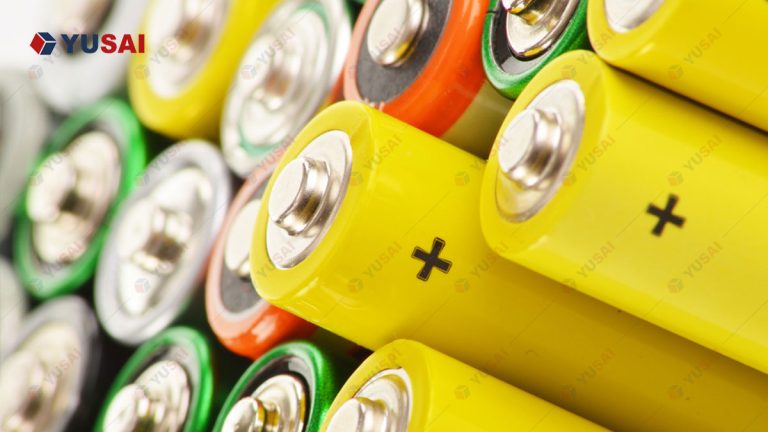
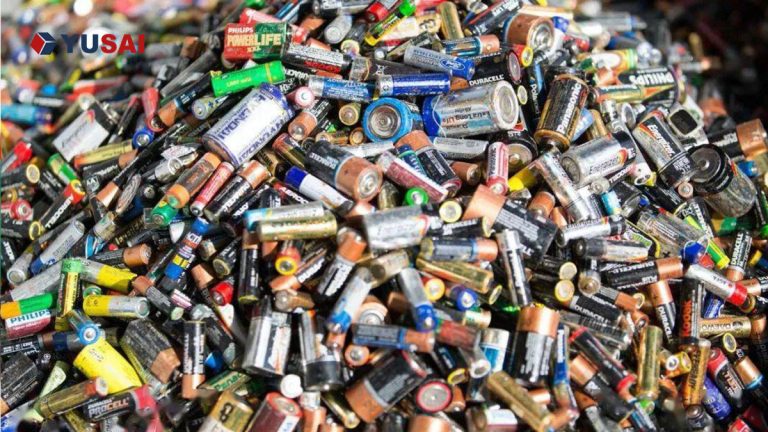
Raw Materials:Soft-pack battery, mobile phone battery, shell-type battery, cylindrical battery, e-bike battery, EV battery, etc.
Final Products: black mass, aluminum granule, copper granule, plastic, steel shell,separator plastic
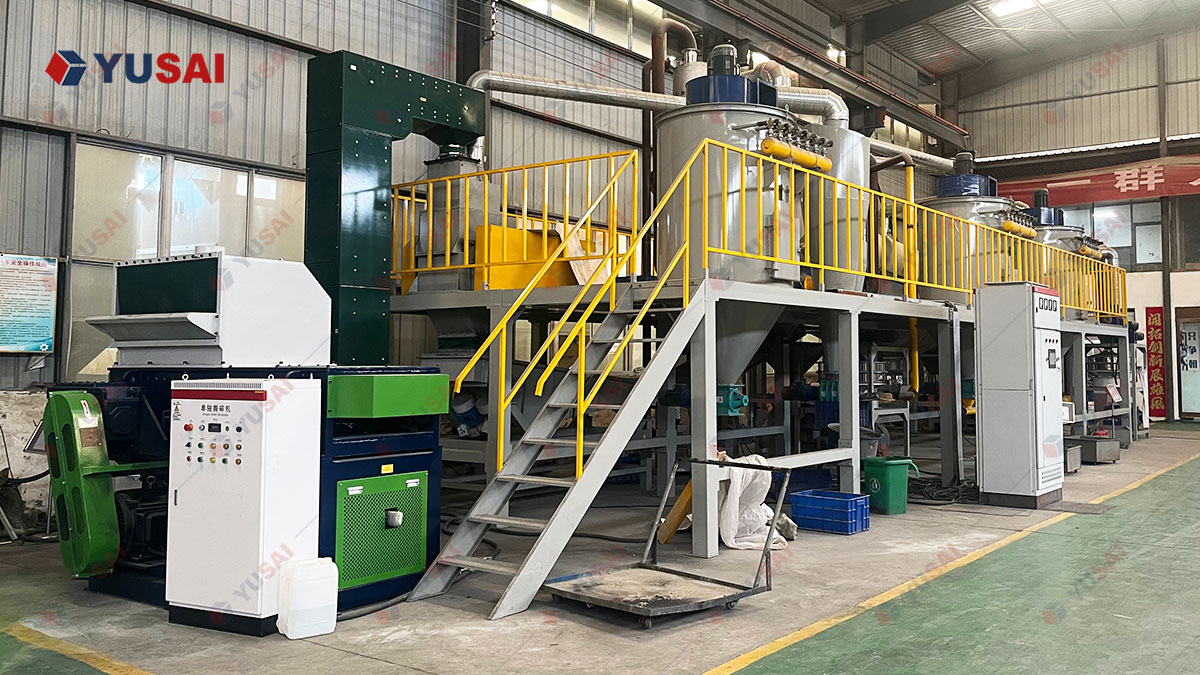
Main Part: Belt conveyor, shredder, crusher, screening machine, belt magnetic separator, grinder, air flow separator, pulse dust collector etc.
Product Description
Driven by the surging global demand for critical battery metals, we have dedicated years to the R&D and manufacturing of advanced lithium-ion battery recycling plant. Through hundreds of rigorous process tests and continuous technological iterations, we remain committed to delivering professional, industrial-grade recycling solutions to our global clientele.Today, we are proud to unveil our next-generation integrated lithium battery recycling system. Engineered specifically for the safe and highly efficient processing of spent batteries, this system combines cutting-edge thermal treatment with high-precision dry mechanical separation technologies. It enables the recovery of critical resources—including premium-purity Black Mass, copper, and aluminum—ensuring strict environmental compliance while unlocking exceptional, sustainable economic value for your plant operations.
The Value of Recycling
Core Economic Value: Material and Metal ExtractionThe direct economic value of a lithium-ion battery depends heavily on its cathode material type. Different battery chemistries yield highly varied profit margins due to their specific metal contents.
Ternary Lithium Batteries (NMC/NCA) : These batteries contain high concentrations of valuable metals, including cobalt (5%–20%), nickel (5%–15%), and lithium (1%–3%). They serve as the primary profit driver for recycling plants due to their strong cash conversion capability.
Lithium Iron Phosphate Batteries (LFP) : LFP batteries do not contain expensive cobalt or nickel; their recovery value primarily lies in lithium, steel/aluminum casings, and copper foils. Their profitability is highly sensitive to lithium market prices, often requiring echelon utilization (repurposing retired batteries for energy storage or low-speed electric vehicles) to maximize returns.
Lithium Cobalt Oxide Batteries (LCO) : Commonly used in consumer electronics like smartphones and laptops, these batteries feature extremely high cobalt content and command top-tier pricing per ton in the scrap market.
Structural Material Value: Mechanical crushing and separation processes yield high-purity copper and aluminum granulates. The negative electrode copper foil accounts for approximately 35% of the scrap weight, providing a substantial secondary revenue stream.
Applicable Raw Materials
It handles all types of lithium battery (pouch battery, mobile phone battery, shell-type battery, cylindrical battery, E-bike battery, EV battery, etc.).
Final Products
The final products are black mass, aluminum granule, copper granule, plastic, Iron shell and separator plastic etc. The output will vary depending on the type of battery.
Working Process
This Lithium Battery Recycling Machine is composed of a series of customized, high-performance modules that ensure the continuous operation and high recovery rate of the production line.
1. The process begins with the Feeding Belt, which conveys the discharged battery. The material then proceeds to the Single Shaft Shredder, which processes the battery into 2-3cm pieces under nitrogen protection, achieving the preliminary separation of shells, anode sheet, cathode sheet, and diaphragm film.
2. Next, the material is transferred to the Pyrolysis furnace, which functions to evaporate the electrolyte, roast the material, and remove the film. The electrolyte gas is sent to the Electrolyte second burning chamber and subsequently treated by the Tail Gas Processing System (Scrubber + Active Carbon + Catalytic combustion system) to ensure environmental compliance.
3. Following the thermal process, the material enters the Zigzag Airflow Separator, which separates the shell (including iron, plastic, aluminum shells) and light material from the heavy material (anode/cathode pieces). The Magnetic Separator then recovers the steel shell (iron shell) from the mixture of shells.
4. The heavy material moves to the Rotary Drum Screen to screen out black mass. Material above the screen is conveyed to the Crusher with Noise Proof Room, which breaks the anode and cathode metal pieces and knocks down the black mass.
5. The black mass from the crusher output is again screened by the Rotary Drum Screen. The copper and aluminum granules (from the top of the screen) are then conveyed to the Grinder, which refines the particles to release more black mass.
6. Finally, the floating black mass is collected by the Cyclone Collector. The material from the Grinder passes through the Liner vibration screen to screen out the black mass. The final metal granules are separated by the Airflow separation separator, which specifically collects copper and aluminum.

Technical Standards
| Feature Item | Indicator Requirments |
| Recovery Rate of Metallic Aluminum | 98% |
| Powder Recovery Rate | 98% |
| Content of Powder In Metal Aluminum | 2% |
| Content of Metallic Aluminum In Powder | 2% |
| Other | Contain dust collecter with not pollute |
| Qualified Rate | 99% |
| Failure Rate | 1% |
| CMR | ≥1.67 |
Machine Features
1. High Degree of Automation: Features user-friendly operations, stable running performance, and minimal manual intervention.
2. Eco-Friendly Footprint: Engineered for low energy consumption, low noise levels, and a compact footprint with zero structural dust leakage.
3. High Separation Rate: Delivers up to a 99% metallic and powder separation rate, producing high-purity materials ready for direct commercial sale.
4. High-Capacity Sorting: Capable of processing a wide range of materials with rapid sorting speeds and high throughput.
5. Zero Pollution: Equipped with an advanced closed-loop filtration system that ensures zero untreated emissions, achieving a truly green recycling process.
6. Advanced Cooling Technology: Utilizes dual water-cooled and air-cooled turbine mills to prevent material degradation and ensure cleaner, more thorough material liberation.
Technical Parameters
| Model | YS-LDC-500 | YS-LDC-1000 |
| Capacity | 400-500(kg/h) | 800-1000(kg/h) |
| Power | 226Kw | 380Kw |
| size | 40*10*4.8(m) | 60*10*4.8(m) |
| weight | 15(ton) | 30(ton) |
Note:
1. Working voltage:380±10V(415V ,440V also can be custom);
2. The parameters and configurations above are for reference only. We can provide customized solutions and related lithium battery recycling machines based on different requirements. Please feel free to contact us anytime to discuss your specific needs.

Leave us a message
If you have any requirement or suggestion, please fill in the form and send to us, thanks!