In recent years, lithium-ion battery recycling has become a hot topic. Driven by the continuous development of new energy vehicles and the widespread promotion of energy storage solutions, lithium-ion batteries have become an indispensable component of the new energy sector. However, these batteries have a finite lifespan—typically ranging from three to five years. This figure serves only as a reference, as actual longevity depends on variables such as individual charging habits and operating environments. For instance, while ternary lithium batteries generally support around 500 charge cycles, the three-to-five-year estimate is based on a usage pattern of one full charge/discharge cycle every three days.
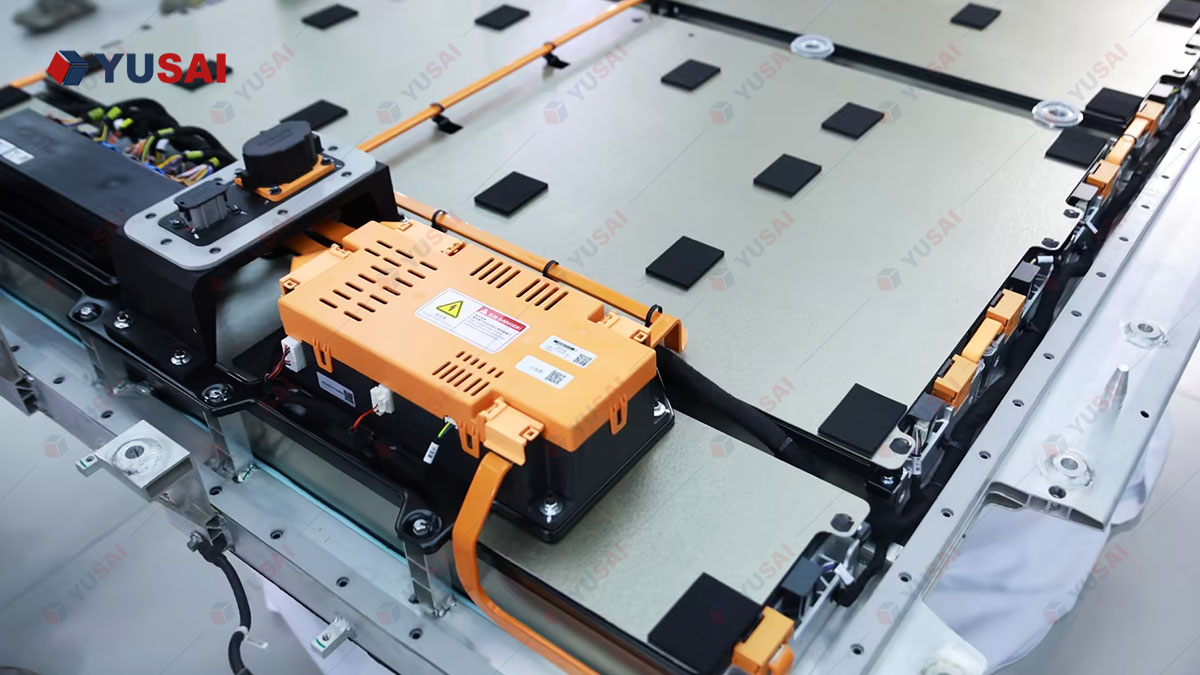
Lithium-ion batteries contain significant quantities of high-value rare-earth elements and non-ferrous metals—such as cobalt, lithium, nickel, copper, and aluminum—often in concentrations exceeding those found in raw ores. Recycling used batteries through legitimate industry channels to recover non-renewable resources offers substantial economic value and helps alleviate mineral resource shortages. Furthermore, it plays a pivotal role in reducing battery production costs and fostering the growth of industries such as electric vehicles.
Currently, retired power batteries follow two primary pathways. The first is “cascade utilization” (or secondary use): lithium iron phosphate (LFP) batteries with remaining capacities of 60%–80% undergo dismantling, testing, capacity grading, and reassembly for deployment in applications with less demanding performance requirements and stable operating conditions—such as base station backup power systems or low-speed electric vehicles. The second pathway is recycling (or regeneration): scrapped batteries are dismantled and sorted, followed by hydrometallurgical, pyrometallurgical, or direct regeneration processes to extract and reuse valuable metal elements. Viewed across the entire lifecycle, batteries used in cascade applications will ultimately require recycling once they reach the end of their service life.
Cascade Utilization Process: After the battery pack is discharged and cleaned, the casing lid, busbars, and module screws are removed to extract the modules, completing the pack dismantling stage. Modules are then transferred to a module dismantling line, where wiring harnesses and data acquisition boards are removed; busbars are milled, end plates are cut, and the module is disassembled to extract individual cells. These cells undergo Open Circuit Voltage (OCV) testing and sorting, followed by charge/discharge capacity testing to identify cells suitable for cascade utilization. Following basic cleaning and refurbishment, battery cells are assembled into modules, which are then packaged to form second-life battery packs.
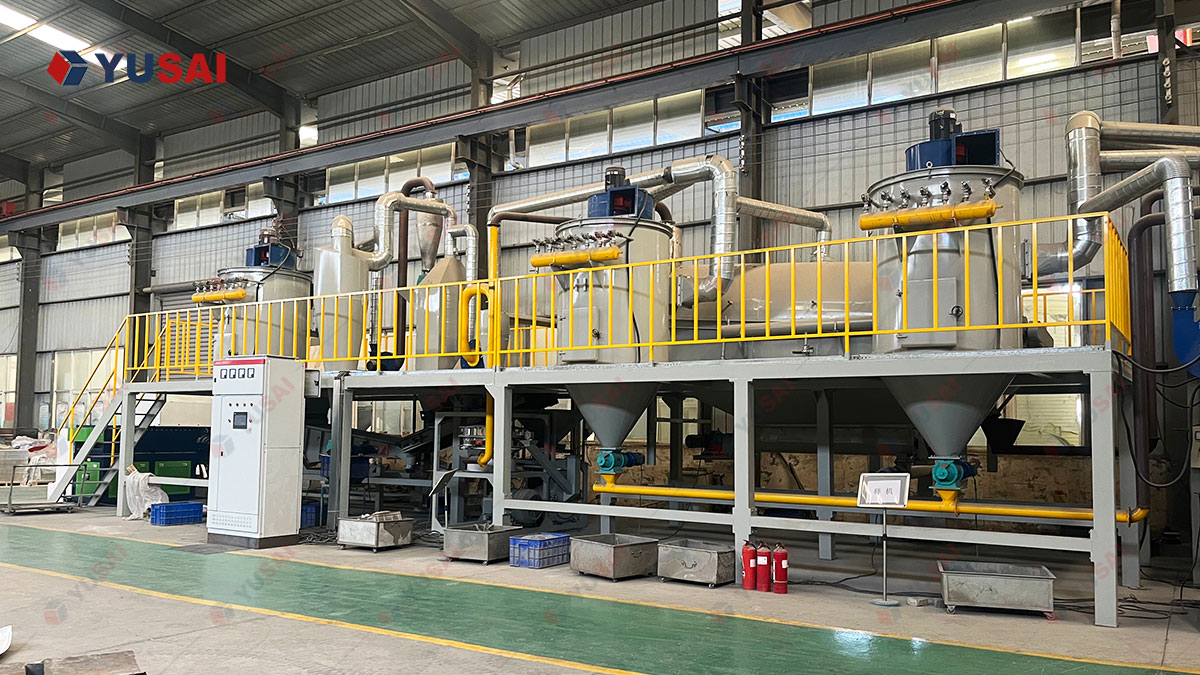
Recycling: The technical process encompasses stages such as sealed crushing, low-temperature volatilization, comprehensive sorting, medium-temperature pyrolysis, two-stage powder removal, screening, and off-gas treatment. This enables the efficient separation of charged cells into components and materials including separators, casings, terminal posts, copper, aluminum, and “black mass.” Simultaneously, fluorine-containing organic gases generated during crushing, volatilization, and pyrolysis are effectively treated, while dust-laden gases from conveying, powder removal, and screening stages undergo controlled treatment and emission. Based on this process, Jereh Environmental offers various cooperation models, including the supply of complete equipment sets, industry consulting, operational services, and engineering design.