Selecting the right key equipment is crucial for the effective operation of a lithium battery recycling facility. Equipment capabilities not only determine recycling efficiency but also directly impact the recovery rate of high-value resources and the overall environmental footprint. Today, I would like to share some insights regarding core technical issues that influence efficiency.
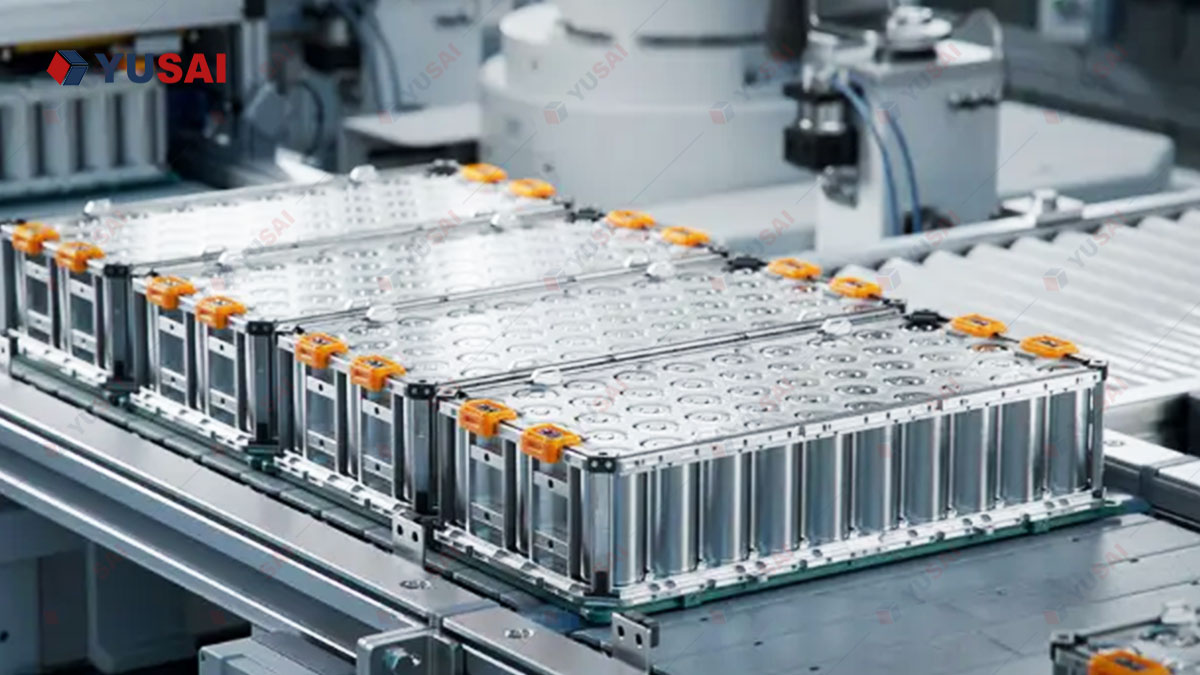
Easy to Manufacture, Difficult to Dismantle
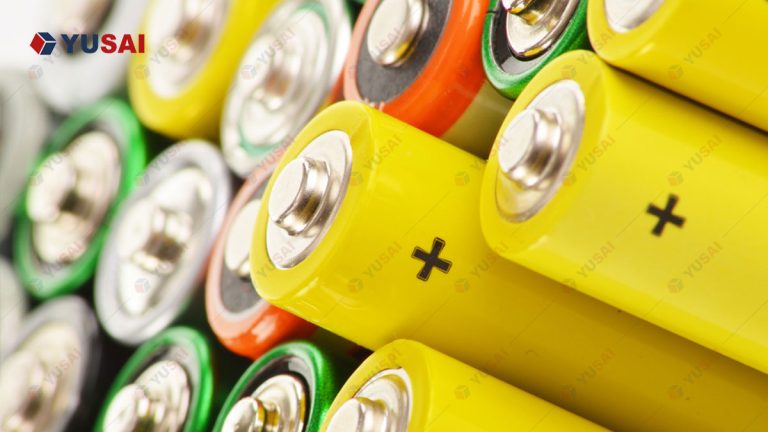
Currently, the basic units (cells) of common lithium power batteries fall into four categories: prismatic, cylindrical, pouch, and 3C (consumer electronics) cells. Based on materials, they are further classified into lithium iron phosphate (LFP) and ternary lithium batteries. Structurally, a single cell is formed by stacking and winding—or layering—cathode sheets, plastic separators, and anode sheets into a cylindrical or prismatic pack; this assembly is then encased in a shell (steel, aluminum, or aluminum-plastic pouch) with positive and negative tabs extending outward.
During the recycling phase, attempting to dismantle batteries in reverse order (reverse disassembly) is inefficient due to the vast array of battery types and structural variations. It is precisely this unique structure—where diverse materials are layered and stacked into an integrated unit—that poses a significant challenge for recycling.
Therefore, selecting equipment with broad applicability is essential to ensure the facility can handle various battery types.
Easy to Shred, Difficult to Separate
Since reverse disassembly is not a viable path, shredding the cells becomes an inevitable step in the recycling process. Mechanical methods—such as hammering, shearing, or crushing—are typically used to break open the cell casing, after which the various components are separated and sorted for recovery.
However, physical adhesion between battery components makes separation difficult. For instance, cathode materials (containing elements like nickel, cobalt, manganese, and lithium) are coated onto the cathode foil (aluminum); because the binder used (PVDF) is chemically highly stable, conventional methods struggle to break this bond. Furthermore, improper shredding techniques can cause electrode fragments to become encapsulated by battery powder, making separation even harder and jeopardizing recovery rates. Yet, the recovery rate of high-value materials is the key factor determining the long-term viability of a recycling facility.
Consequently, there is an urgent industry-wide need for new equipment that offers superior shredding performance and advanced separation capabilities. Seeking Answers in Traditional Industries for Challenges in a New Sector
There is nothing new under the sun. The problems we encounter today in the emerging lithium-ion battery sector may well find their solutions in traditional industries.
Leveraging over a decade of experience in environmental engineering design, we have developed a comprehensive suite of equipment for the physical and pyrolytic recycling of lithium-ion batteries. This system integrates a range of specialized units—including high-efficiency sealed shredding, pyrolytic separation, comprehensive sorting, and fine-powder removal—and has already been successfully deployed in India, Australia, and Singapore. Its shear-dispersion technology enables the shredding of charged batteries; by applying multiple compound forces, the material undergoes repeated shearing and impact. As the forces intensify layer by layer, a uniform dispersion effect is achieved, preventing the issue of material encapsulation.
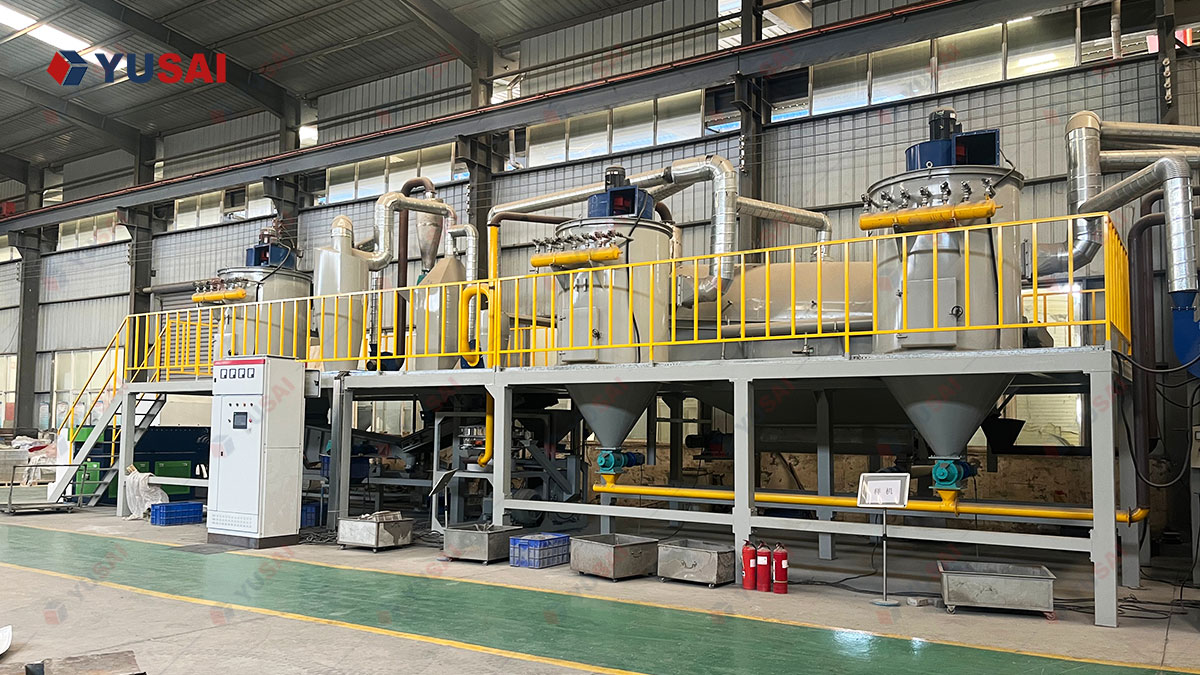
The system’s low-temperature volatilization and medium-temperature pyrolysis units represent what is likely the world’s most reliable equipment for organic matter separation—technology previously utilized for hazardous waste treatment in the oilfield environmental sector. This powerful combination effectively breaks down the binder connecting battery materials to the electrode foils, allowing the “black mass” to spontaneously detach from the foil surfaces and enabling non-destructive recovery. This approach differs from the purely mechanical shredding and stripping methods used by other companies; it not only minimizes contamination of the recovered black mass by copper and aluminum dust but also effectively eliminates the interference of binders with subsequent hydrometallurgical recovery processes.
In summary, lithium-ion battery recycling is a new frontier for all of us—one fraught with challenges yet rich in opportunity. Through advanced process design and strategic equipment selection, we can resolve key issues and achieve effective resource recovery and recycling. Looking ahead, as technology continues to advance and innovate, we are confident in our ability to overcome further obstacles and drive the industry’s development.