Lithium battery recycling involves a long industry chain comprising numerous stages and technologies. The specific recycling process may vary depending on the recycler, technological capabilities, and battery type. Below is a brief overview of the general lithium battery recycling process:
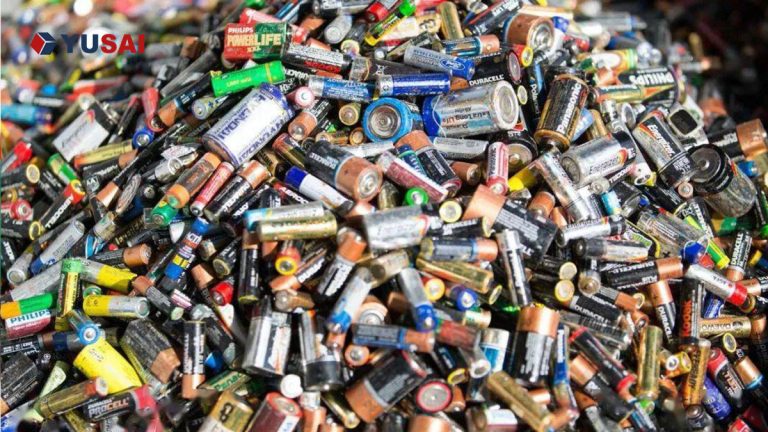
1. Collection and Sorting: Spent lithium batteries must first be collected and sorted. This can be carried out by collection points, recycling centers, automakers, or specialized recycling companies. At this stage, batteries undergo a preliminary assessment and are categorized based on type and condition.
2. Testing and Assessment: Collected lithium-ion batteries undergo detailed testing and assessment to determine their remaining capacity, state of health, and potential for reuse. This process is performed using testing equipment and by specialized technical personnel.
3. Disassembly and Extraction: Next, the batteries are disassembled to separate and extract valuable materials. This process employs techniques such as physical separation, chemical treatment, and smelting. For instance, smelting can be used to recover valuable metals like lithium, nickel, and cobalt.
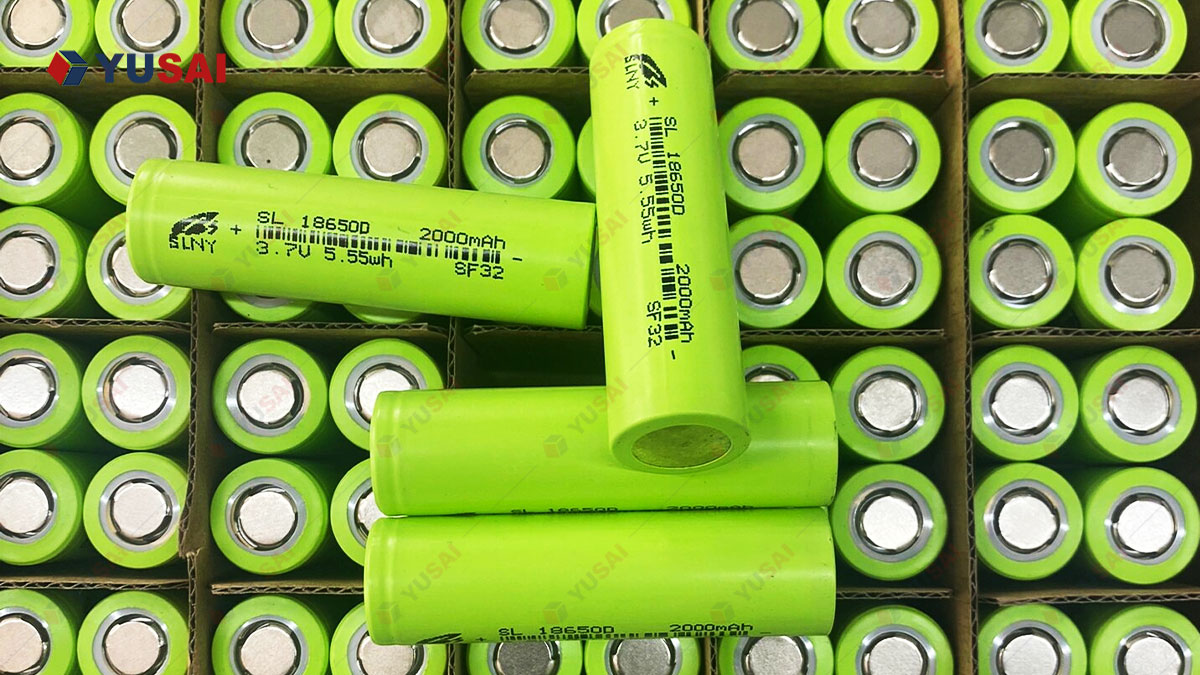
Physical Separation: First, spent lithium-ion batteries undergo physical separation to segregate their various components. This typically involves removing the battery casing and other attachments, such as the Battery Management System (BMS) and connectors. Physical separation can be performed manually or accelerated and simplified using mechanical equipment and tools. Subsequent steps—such as crushing, drying to remove electrolytes, pyrolysis to eliminate binders, and powder separation—are used to recover copper, aluminum, and cathode/anode powders.
Chemical Extraction: The separated cathode and anode powders undergo chemical treatment to further extract valuable materials. Common chemical processes include leaching, solvent extraction, enrichment, and precipitation. These steps facilitate the separation and recovery of key components—such as various metal salts—from the powders.
Material Treatment and Processing: Following chemical extraction, the recovered metal salts require further treatment and processing. Processes such as refining and alloying are employed to ensure the materials meet reuse specifications. The processed materials can then be reintroduced into battery manufacturing, alloy production, and other related industries.
Throughout the disassembly and extraction process, operating conditions and the environment must be strictly controlled to ensure safety and environmental protection. Appropriate protective measures must be implemented when handling hazardous substances to prevent adverse effects on the environment and human health.
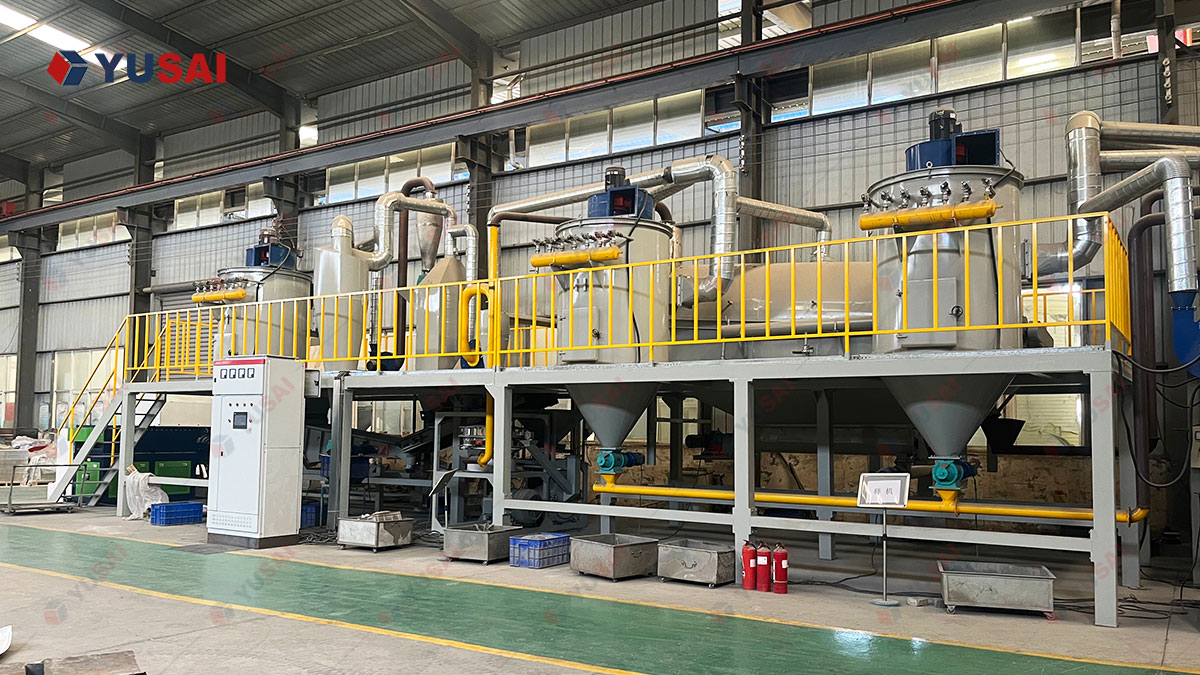
4. Remanufacturing and reuse. Separated and extracted valuable materials can be used to remanufacture new batteries or for other applications. Once processed and refined, these materials can be reintroduced into the production chain, thereby reducing the demand for virgin resources.
5. Waste management. In addition to valuable materials, the lithium-ion battery recycling process generates certain waste products and hazardous substances. These waste materials require proper handling and disposal to ensure environmental safety and public health.
Lithium-ion battery recycling involves multiple stages and specialized technologies, including battery assessment, physical separation, chemical processing, and smelting/extraction. With continuous technological advancements and growing environmental awareness, the efficiency and feasibility of lithium-ion battery recycling will continue to improve, making a significant contribution to sustainable development and resource circularity.