Lithium-ion battery recycling technology can be broadly categorized into two types: regeneration and secondary utilization. Regeneration technologies mainly include wet recycling, pyrometallurgical recycling, and physical recycling. Wet recycling is currently the most widely used process, boasting high resource recovery rates, mature technology, and high product purity. Physical recycling is simple and environmentally friendly, but its recycling efficiency is relatively low. Pyrometallurgical recycling is relatively simple, highly compatible, and suitable for large-scale processing, but it consumes more energy and faces greater environmental pressure. The industry continues to develop technologically; for example, through innovative nickel-lithium separation processes, a dual-track recycling system of “pre-lithium extraction + post-lithium extraction” and all-element recovery technologies have emerged, broadening the recycling pathways.
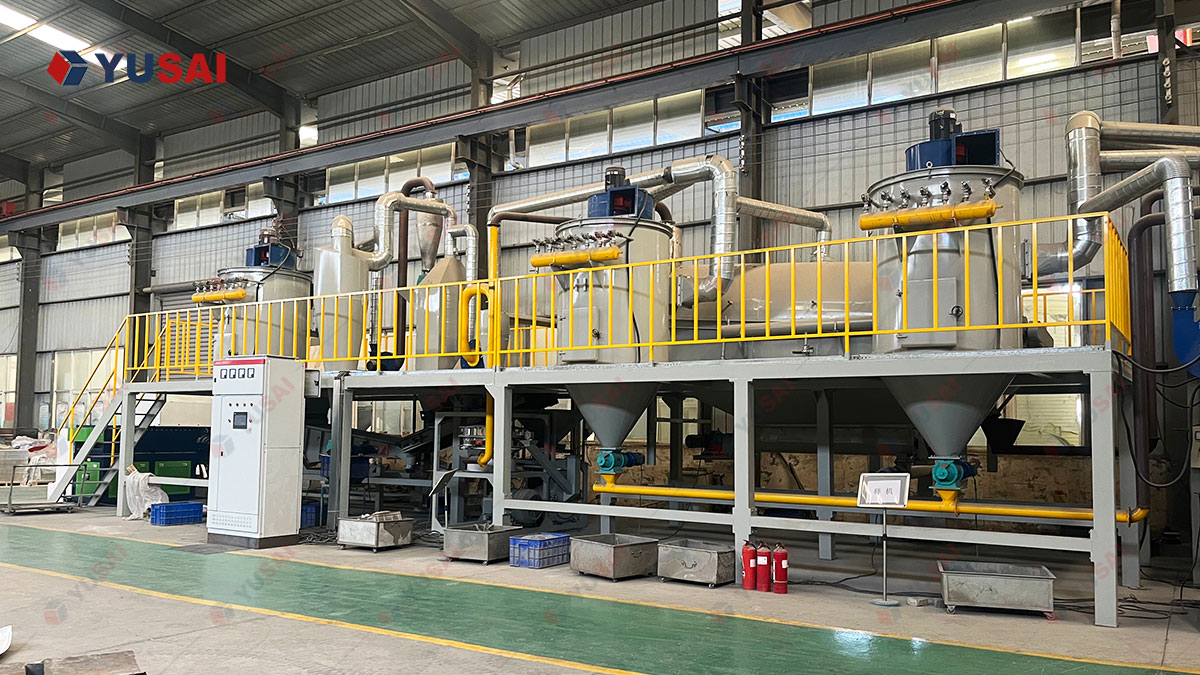
A typical lithium-ion battery recycling process mainly includes three parts: pretreatment, separation and extraction, and product preparation. Pretreatment includes steps such as discharging, disassembly, and crushing and sorting. The separation and extraction stage employs different technical routes depending on the battery type; for example, wet recycling separates valuable metals through chemical dissolution, extraction, and precipitation. In the separation and extraction stage, valuable metals such as lithium, iron, and phosphorus can be separated and extracted by dissolving materials using a wet process. The extracted high-purity iron phosphate and lithium carbonate can be used to produce next-generation high-performance lithium iron phosphate cathode materials. In the material regeneration stage, the extracted metal compounds are synthesized into new battery materials, such as ternary precursors and lithium carbonate.
The core performance indicator is the recovery rate of key metals, which is crucial for measuring the economic efficiency and resource efficiency of recycling technologies. Some companies have achieved high comprehensive recovery rates for nickel, cobalt, and manganese, as well as lithium. Furthermore, the comprehensive utilization rate of spent lithium batteries is also an important indicator, with some companies achieving rates exceeding 98%.
Lithium battery recycling has formed a complete industrial chain. The upstream mainly includes the sources of spent batteries and suppliers of the equipment and materials needed for recycling; however, the sources of retired batteries are scattered, especially with an underdeveloped recycling system at the individual consumer end, leading some batteries to flow into informal channels. The midstream consists of dismantling, recycling, and testing companies responsible for battery collection, testing, dismantling, crushing, and metal extraction. The downstream comprises the application end of the recycled products, primarily battery material plants and battery manufacturers, which use the recycled materials to manufacture new batteries. The industry employs closed-loop supply chain models, such as building a complete chain from “battery material production—use—recycling—resource regeneration,” achieving efficient material recycling within the industrial park and using waste from one stage as raw material for the next.
The industry has evolved into a three-pronged competitive landscape: professional recycling companies, battery manufacturers, and material companies. Professional recycling companies like GEM and Tianqi Lithium hold a significant market share; in addition, companies with full-process production capabilities are also developing. Battery manufacturers like CATL are establishing closed-loop supply chains through their subsidiaries; material companies like Huayou Cobalt and Xiamen Tungsten New Energy are extending upstream to ensure raw material supply. Leading companies have accumulated expertise in technologies related to intelligent dismantling, targeted recycling, and efficient lithium extraction. Furthermore, some companies have formed a closed loop of reverse product positioning design, feeding back experience gained from recycling to battery manufacturers. They offer green battery design suggestions such as optimizing battery pack structure for automated disassembly and adjusting material ratios for subsequent separation and purification, thus improving battery recyclability from the source. Currently, the industry faces challenges such as insufficient integration of recycling channels and low capacity utilization rates of legitimate companies. At the same time, international cooperation cases are emerging, driving technological advancements and market standardization. Faced with challenges such as unstable new production lines, insufficient capacity release, and fluctuating raw material prices, some companies are implementing closed-loop waste recycling models to ensure raw material supply and improving production efficiency through iterative upgrades of production line processes.