The market for new energy battery recycling is indeed vast and holds great promise. However, establishing a foothold in this sector requires building key core capabilities.
1. A stable source of batteries is fundamental
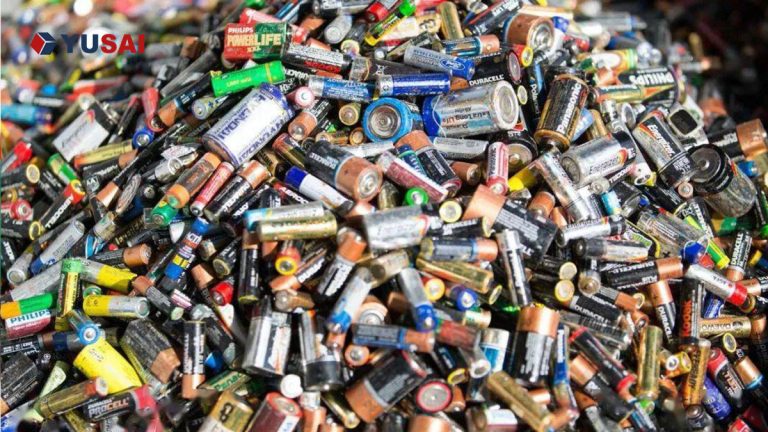
In the new energy battery recycling industry, securing a stable supply of batteries is a critical capability. This is a common characteristic of all circular economy industries; for instance, in the scrap steel recycling sector, volume equates to bargaining power—if you cannot collect sufficient quantities of scrap steel, you lack leverage when dealing with steelmakers. Procuring batteries is no simple task, given the wide variety of battery types and specifications, as well as the inherent instability of market supply. Therefore, establishing reliable supply chain relationships is crucial. Forming strategic partnerships with battery manufacturers and electric vehicle producers to ensure a steady supply is key to gaining a foothold in the industry. Furthermore, rather than attempting to manage the entire recycling ecosystem alone, collaborating with key industry players can help stabilize raw material supplies and product sales channels.
2. Stable and reliable hardware infrastructure is the safeguard
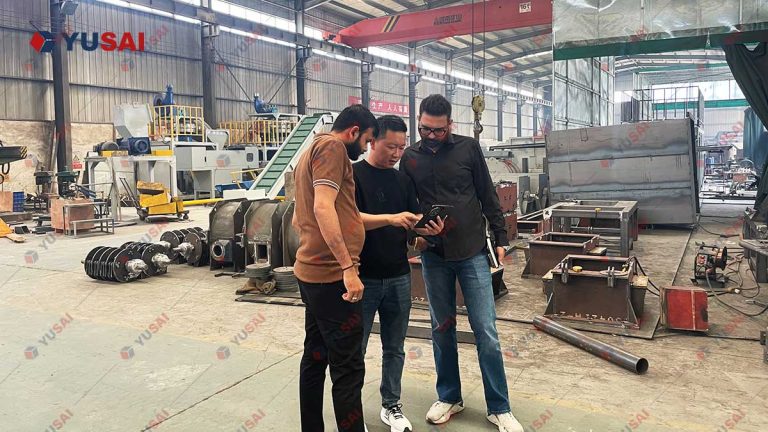
The choice of production equipment is a decisive factor in the efficient operation of a lithium battery resource recovery facility. Equipment capabilities not only influence recycling efficiency but also directly impact the recovery rate of high-value resources and the environmental footprint. It is well known that this industry is currently in the spotlight; any safety accident or environmental incident could instantly thrust a company into the center of public controversy. Many recycling enterprises currently operate using “small workshop” models characterized by inadequate safety measures, leading to frequent flash explosions, fires, and injuries. Moreover, uncontrolled pollutants released during the recycling process cause serious environmental damage. This situation mirrors the earlier days of the petroleum and chemical industries, where strict regulatory oversight transformed hazardous waste disposal from a chaotic state to a standardized one, ultimately fostering the development of stable, reliable disposal equipment.
3. Differentiated technical processes drive competitiveness
Lithium battery recycling is not merely a process of dismantling and extraction; it demands high-precision operations and environmentally friendly methods. For example, during the dismantling stage, the industry urgently needs universal dismantling technologies capable of handling various types of battery packs; in the hydrometallurgical stage, there is a pressing need for low-cost, streamlined, and industrially scalable extraction technologies. Investing in R&D to explore efficient, eco-friendly recycling technologies in these areas is essential. Leading recycling technologies will create market differentiation and establish competitive barriers.
One final point: the process and industry chains for new energy battery recycling are extensive, and players at any stage of these chains aim to expand upstream, downstream, or even across the entire value chain. Ultimately, only companies possessing the capabilities associated with these key elements will emerge victorious in this fiercely competitive landscape. Let us not forget that the massive wave of retired new energy batteries is expected to arrive in 2028; this is a long-distance race, and only those who persevere to the end will secure final victory.